2020–2023
gen2GAN
With Helena Sarin
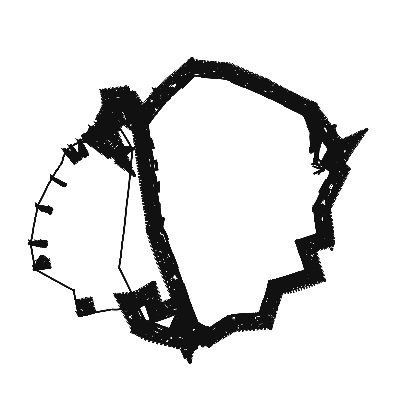
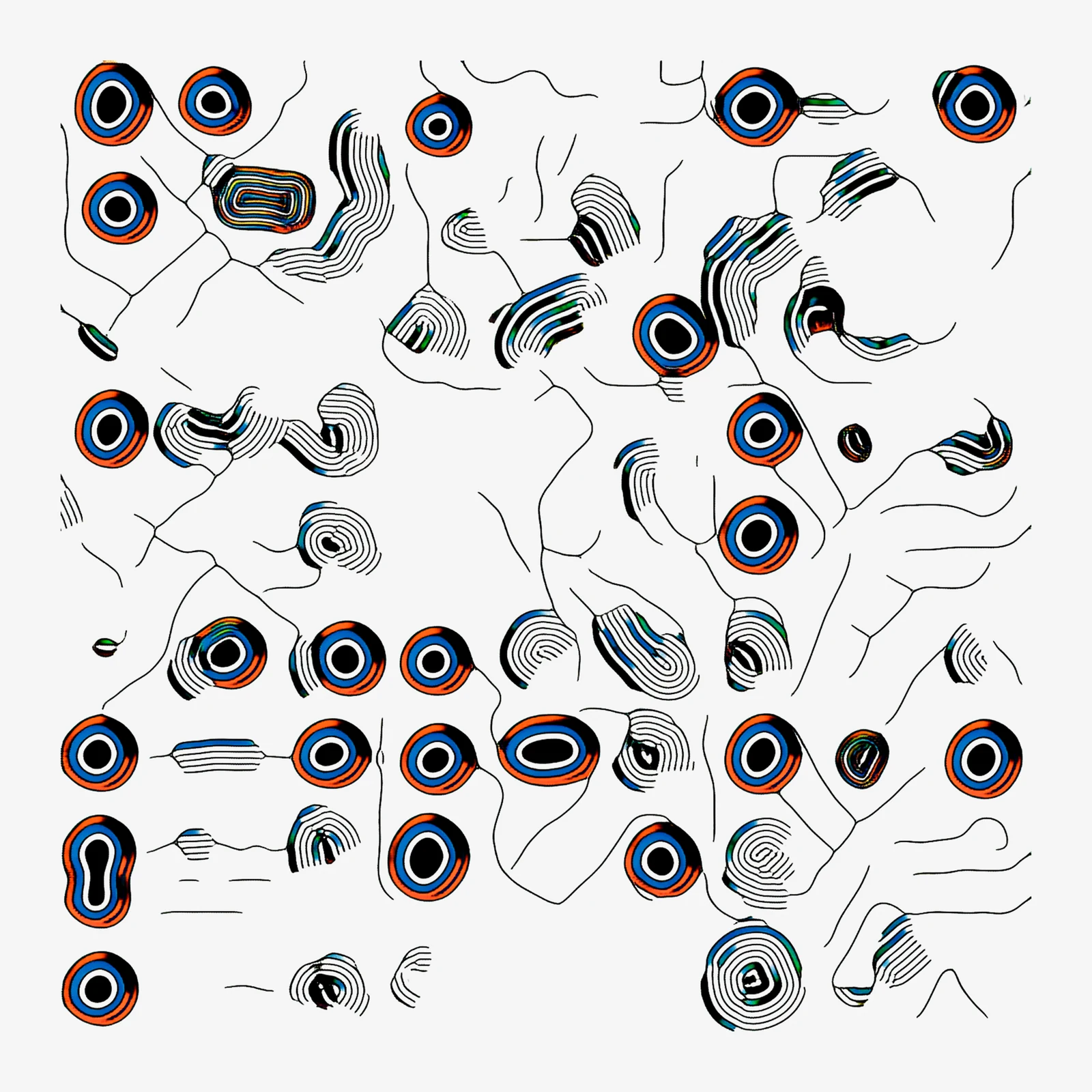
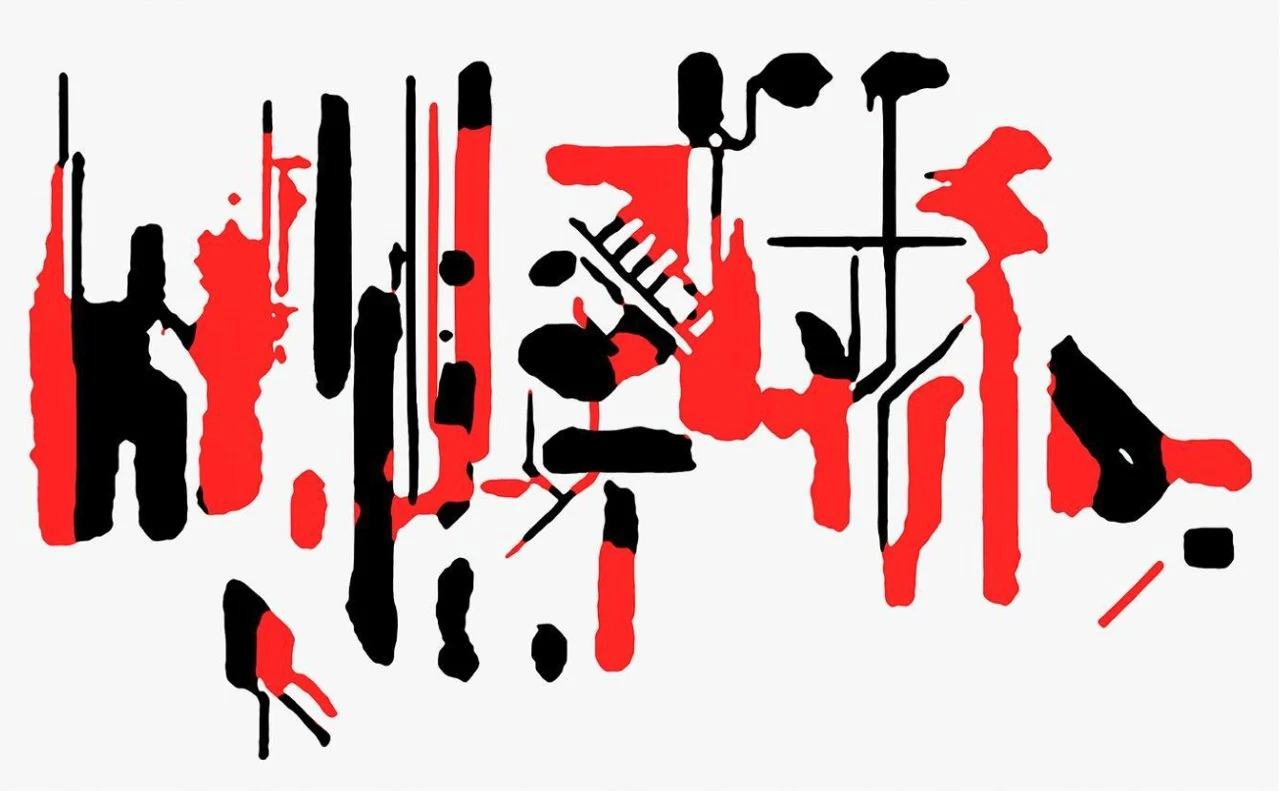
Begun in 2020, gen2GAN brings together Dmitri Cherniak’s generative algorithms and Helena Sarin’s work with generative adversarial networks. Cherniak’s software produced thousands of uncurated images, which became the training material for neural networks constructed and tuned by Sarin.
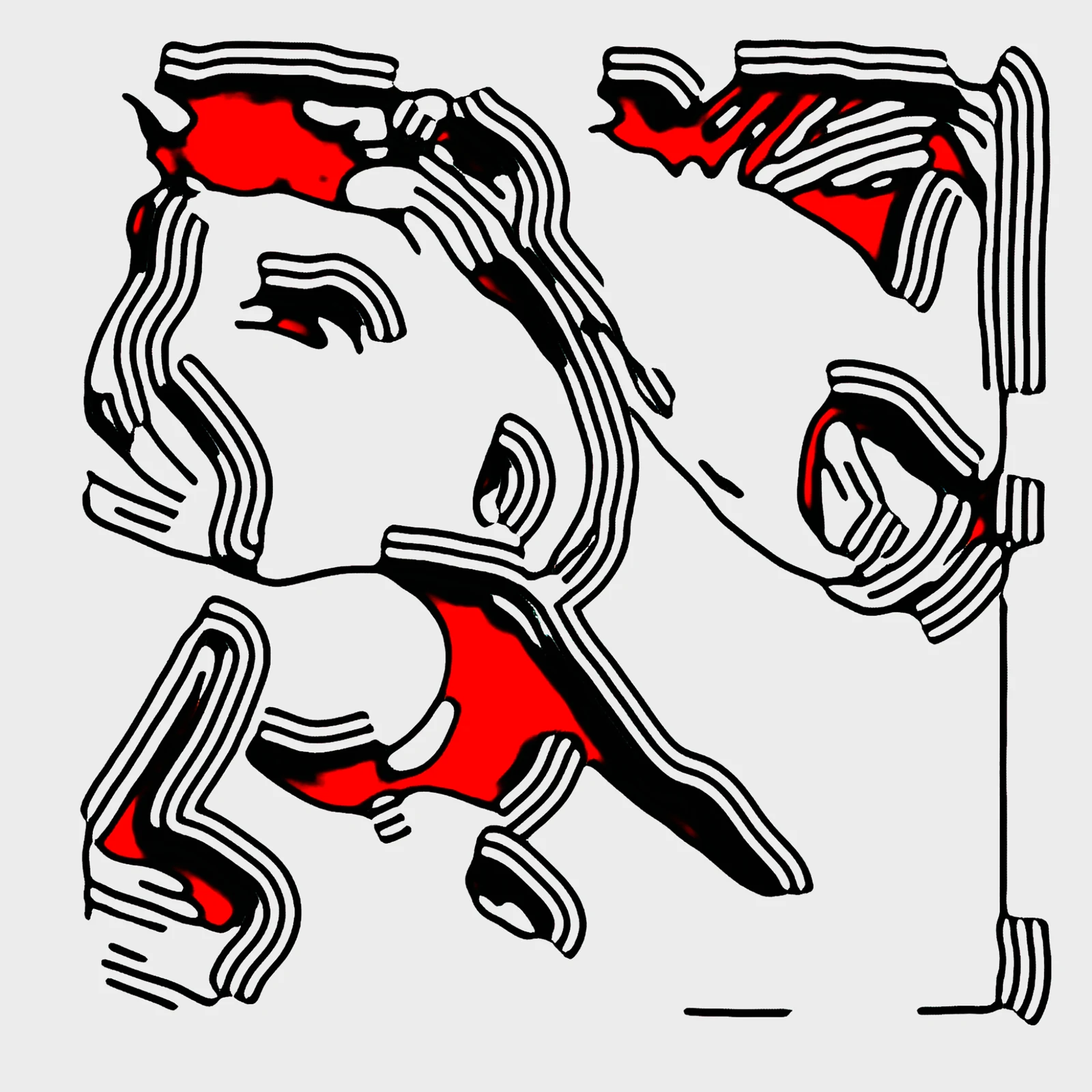
The artists selected the final works together. The collaboration moves from an artist-built system to an artist-built dataset and model, exploring how one form of automation can transform another.
- Began
- 2020
- Artists
- Dmitri Cherniak and Helena Sarin
- Process
- Generative algorithms and GANs
From the series
Selected works
The process
From generative code to GAN
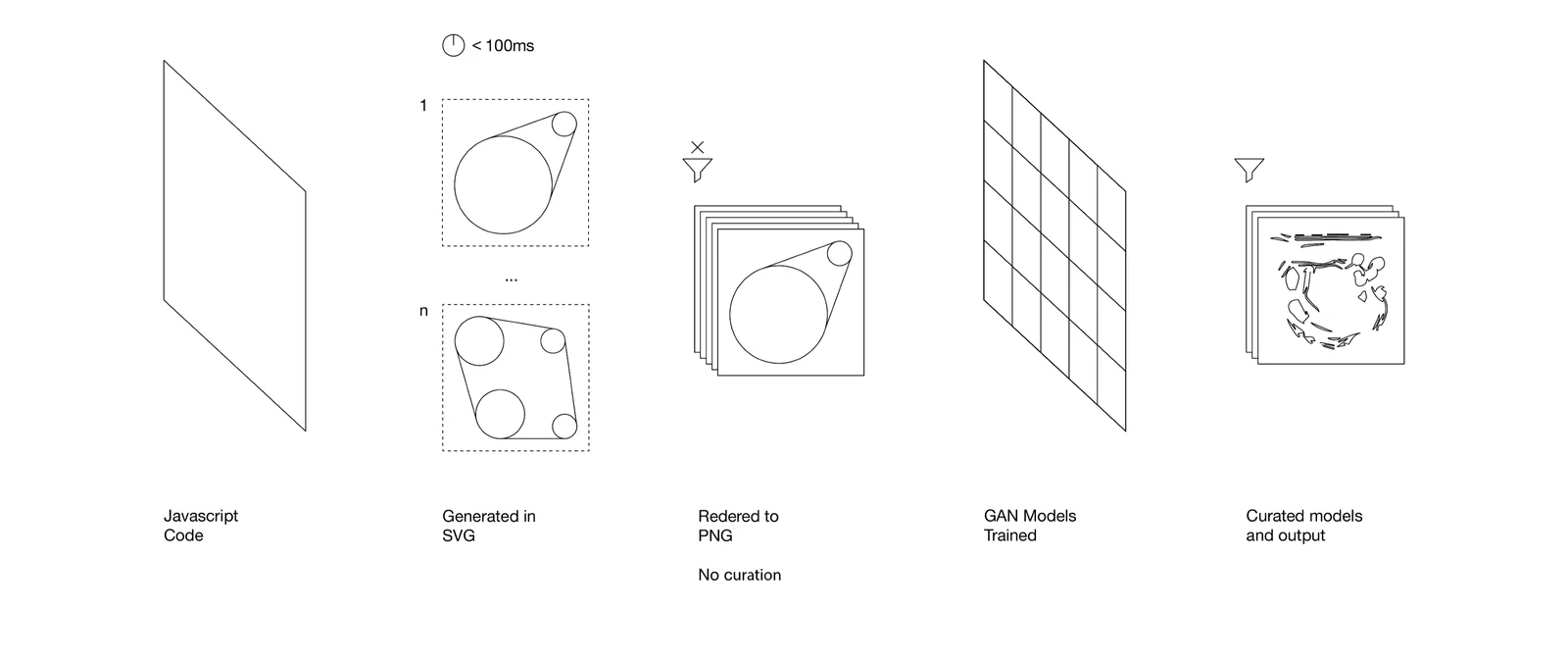
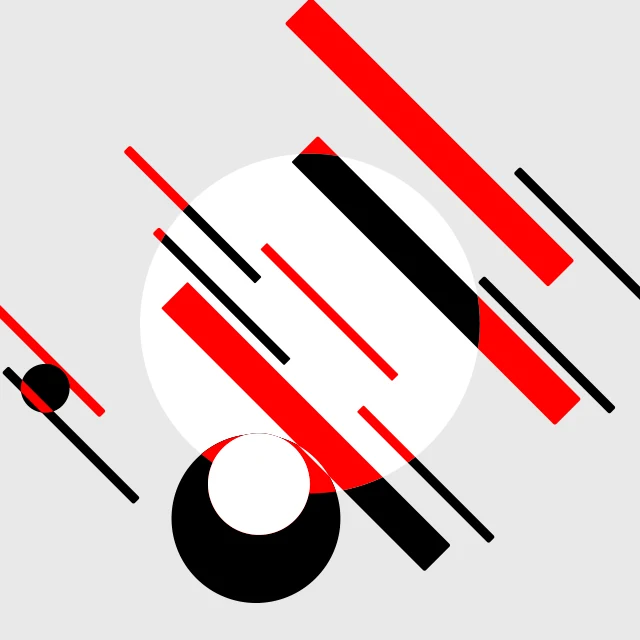
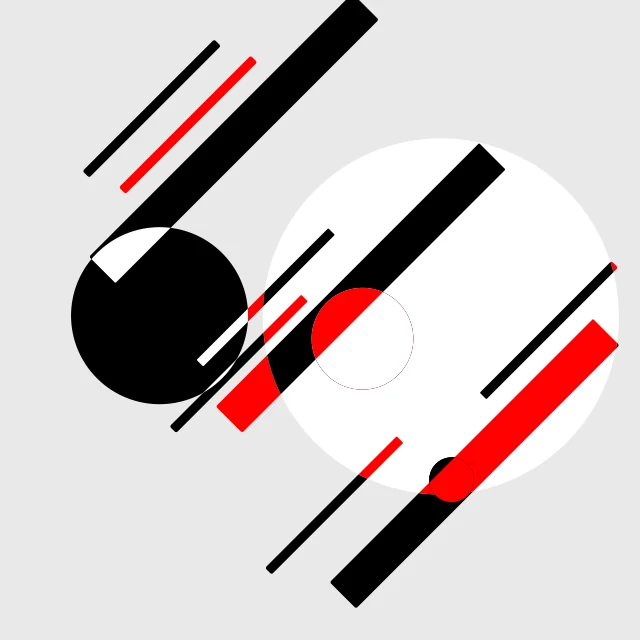
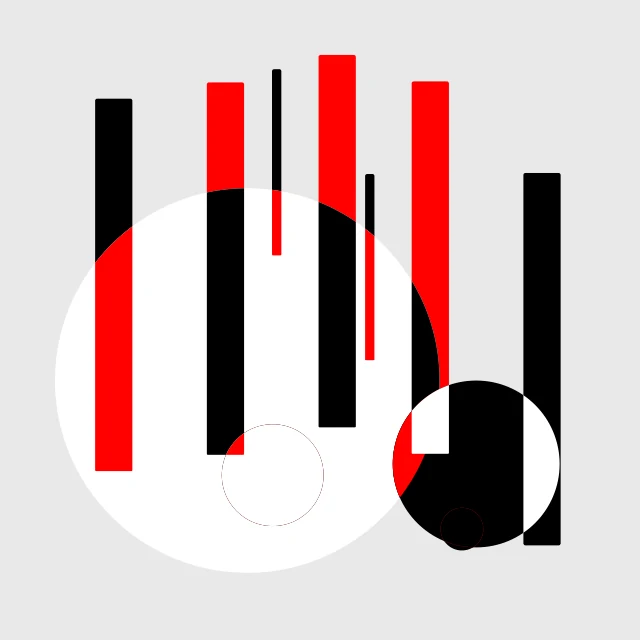
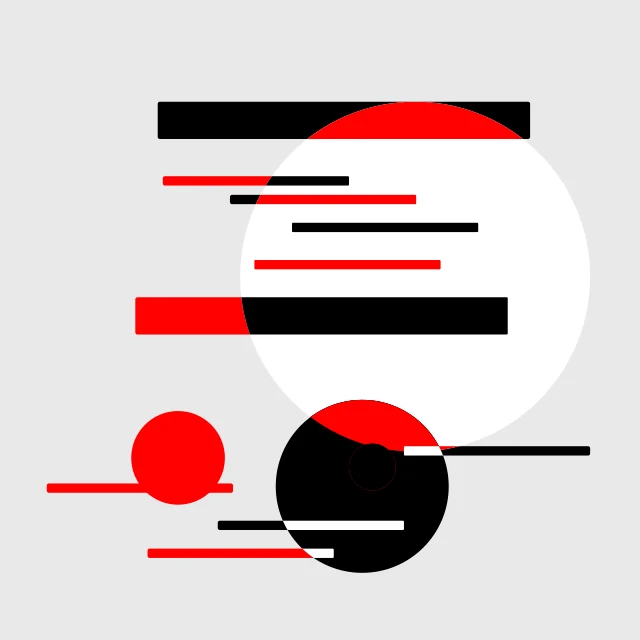
Cherniak’s JavaScript generates SVG compositions, which are rendered as PNGs without curation. Sarin uses these images to train GAN models. The models and their outputs are then curated to form the collaboration’s final works.
The dataset
Many inputs, one model
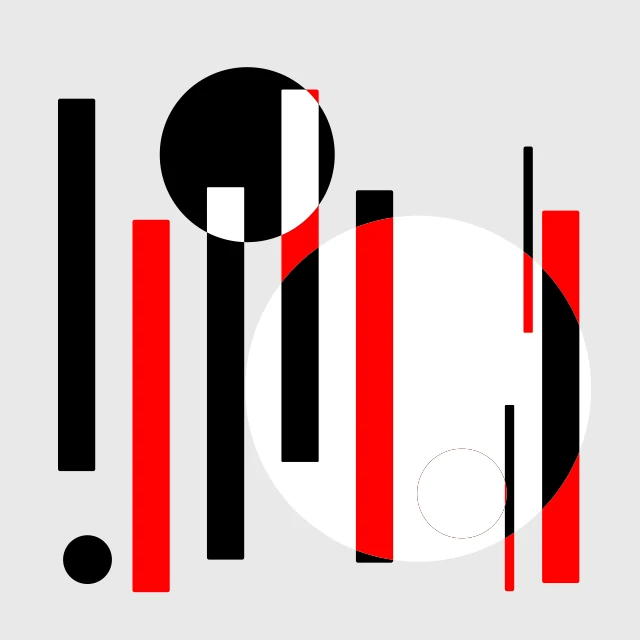
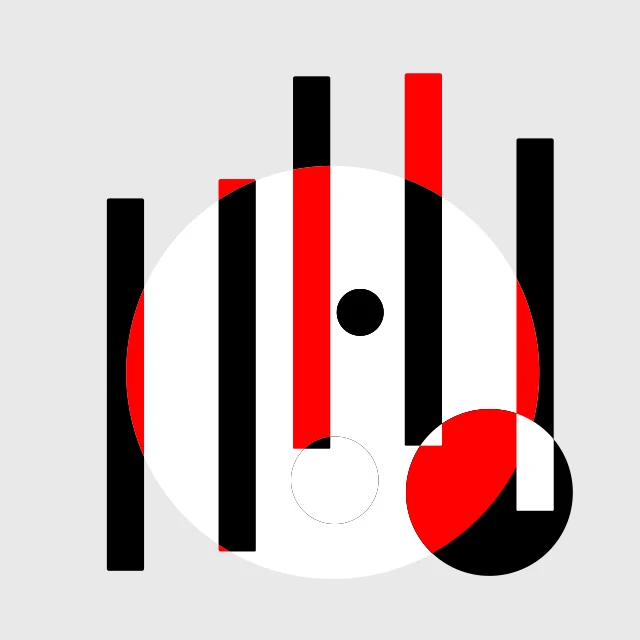
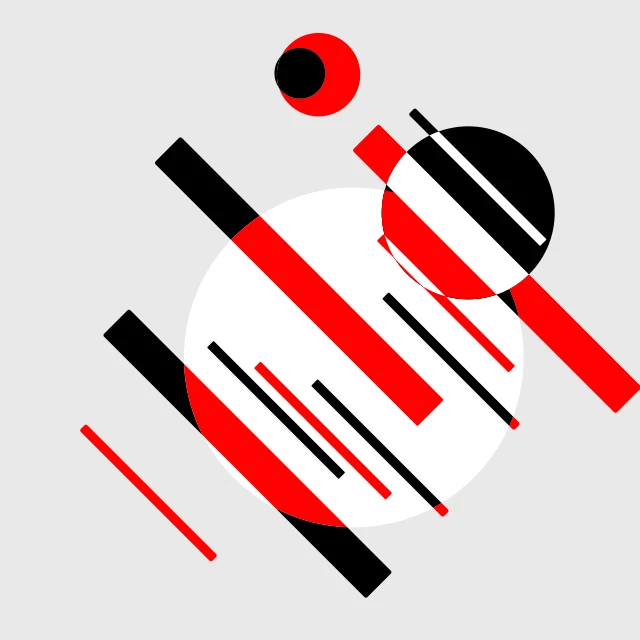
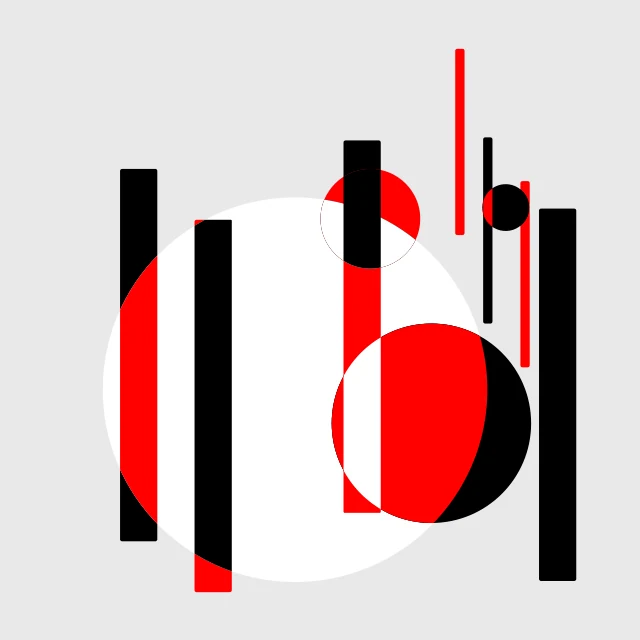
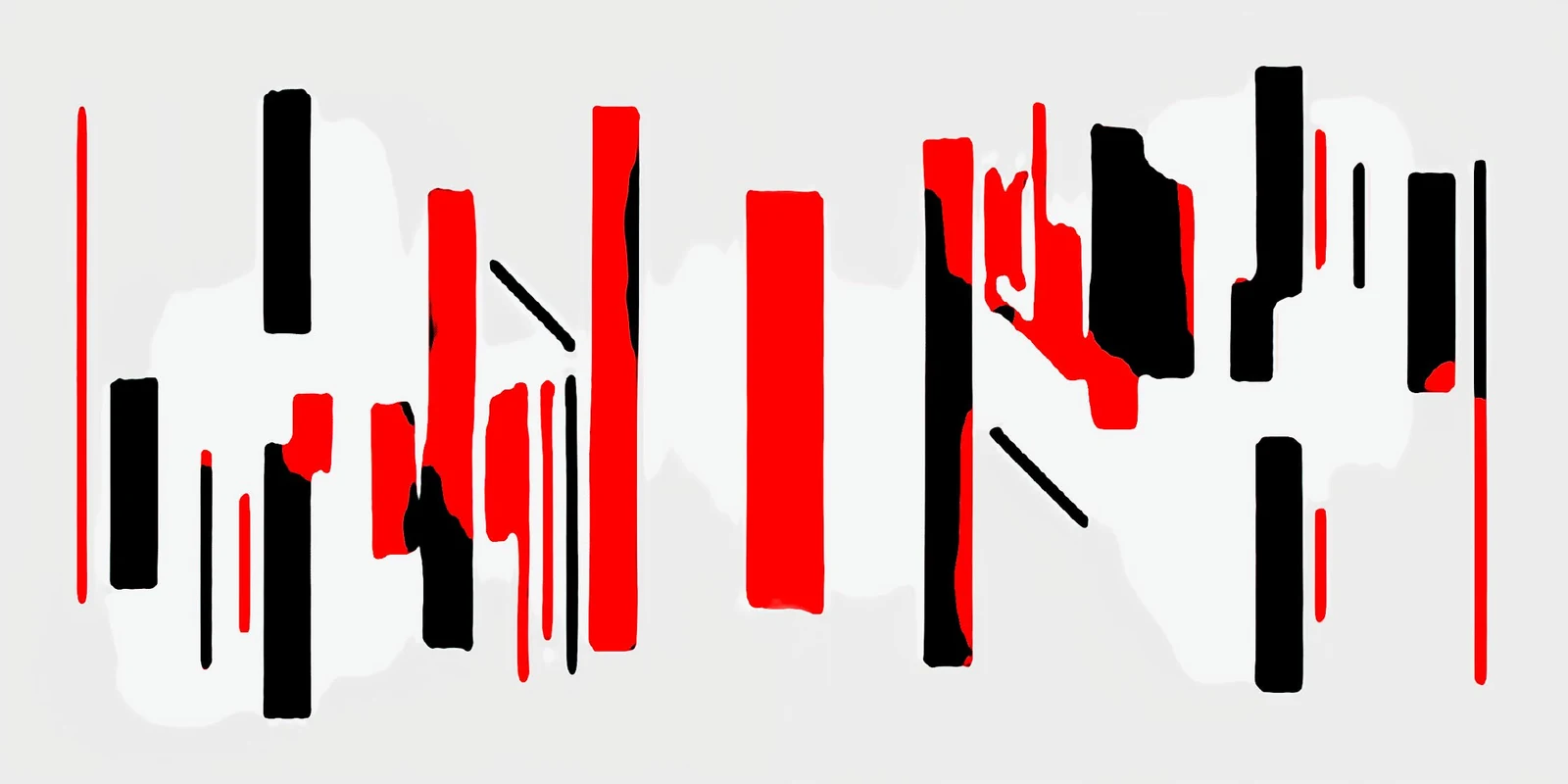
Each GAN was trained on thousands of Cherniak’s uncurated outputs. The 25 compositions shown here come from one dataset of 2,000+ generated SVGs, alongside an output from the model trained on it.

















Try it
Train a tiny GAN
A GAN is two neural networks playing a game. The generator turns random noise into an image. The critic, or discriminator, is shown real training images and the generator’s fakes, and gives each one a probability that it is real. After every round, the critic is adjusted to tell them apart better, and the generator is adjusted toward whatever the critic scored as more real.
This one is tiny. It trains in your browser on the 2,000+ images from the dataset above, each reduced to a grid of 16 × 16 cells in its four colors. Sarin’s models were far larger and worked at full resolution; this is a sketch of the same game.
This demo trains in your browser and needs JavaScript.
The models
Five models
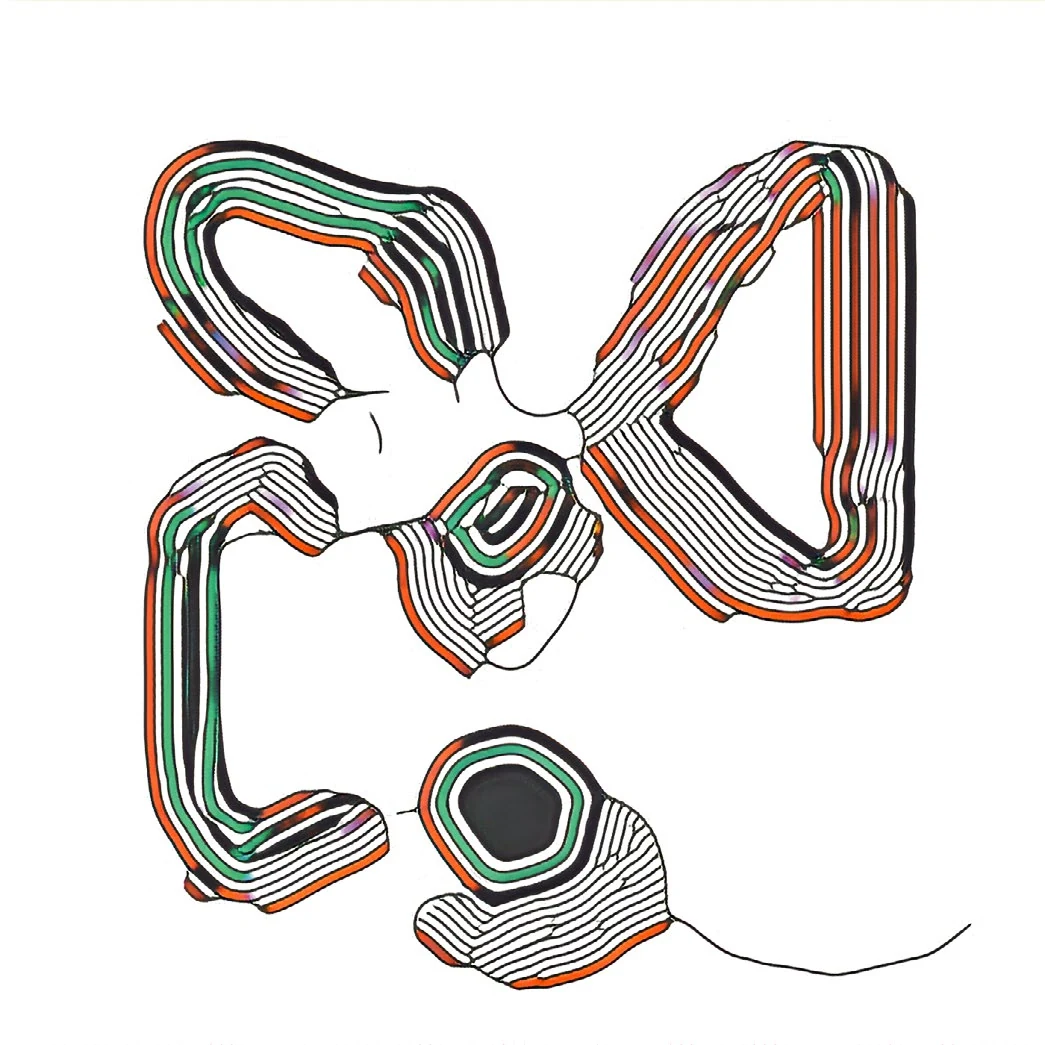
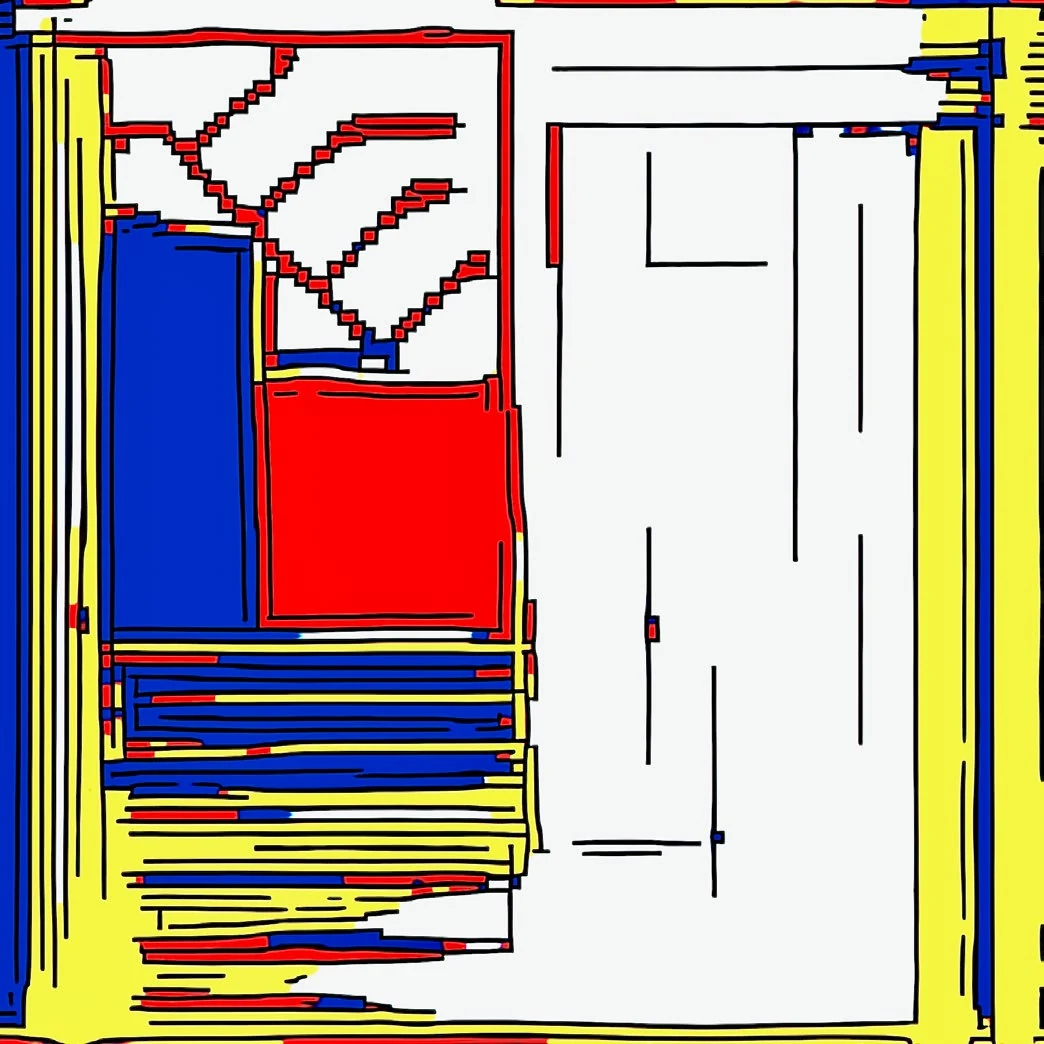
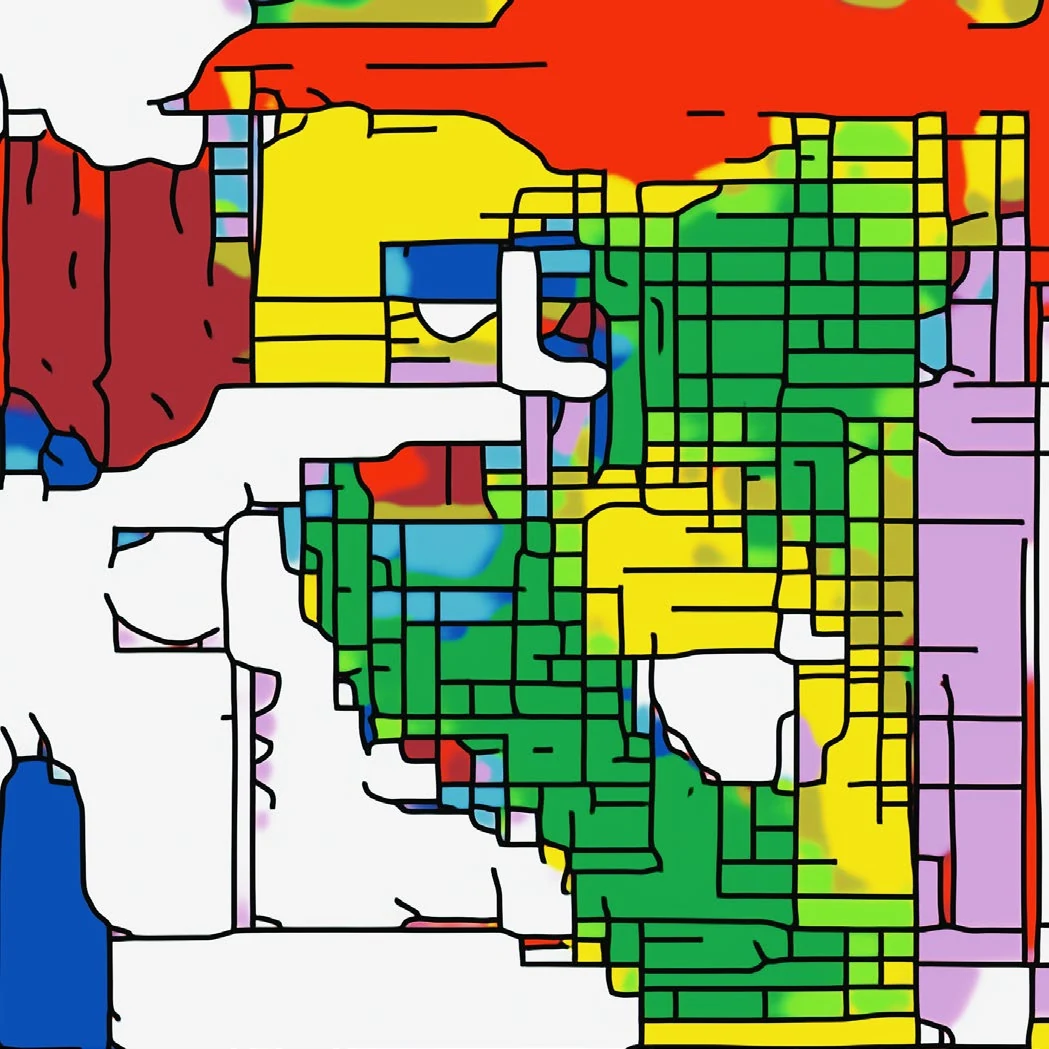
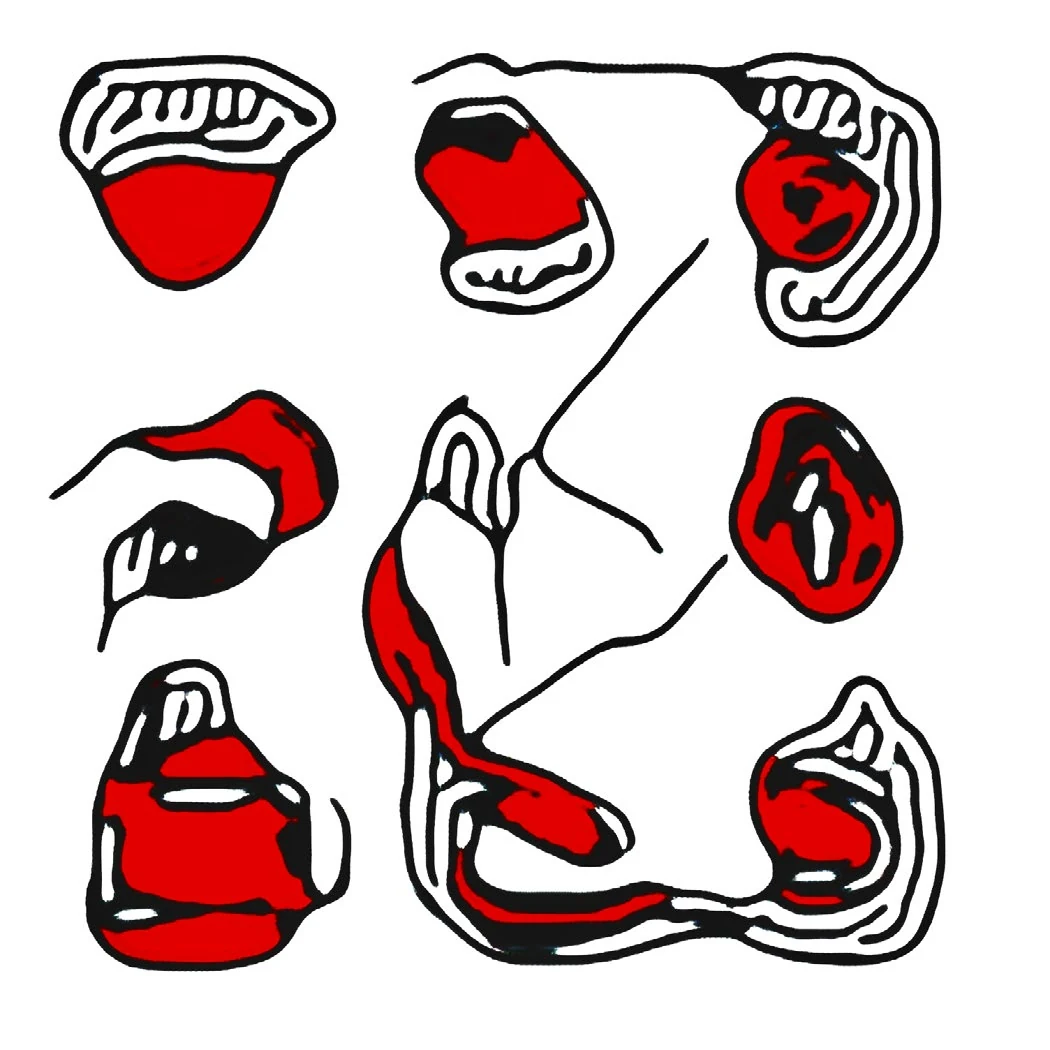
The collaboration produced far more than the works that were released. Each of five models was trained on a different generative system, and each developed its own visual language. One output from each is shown here.

Publication
gen2GAN, the book
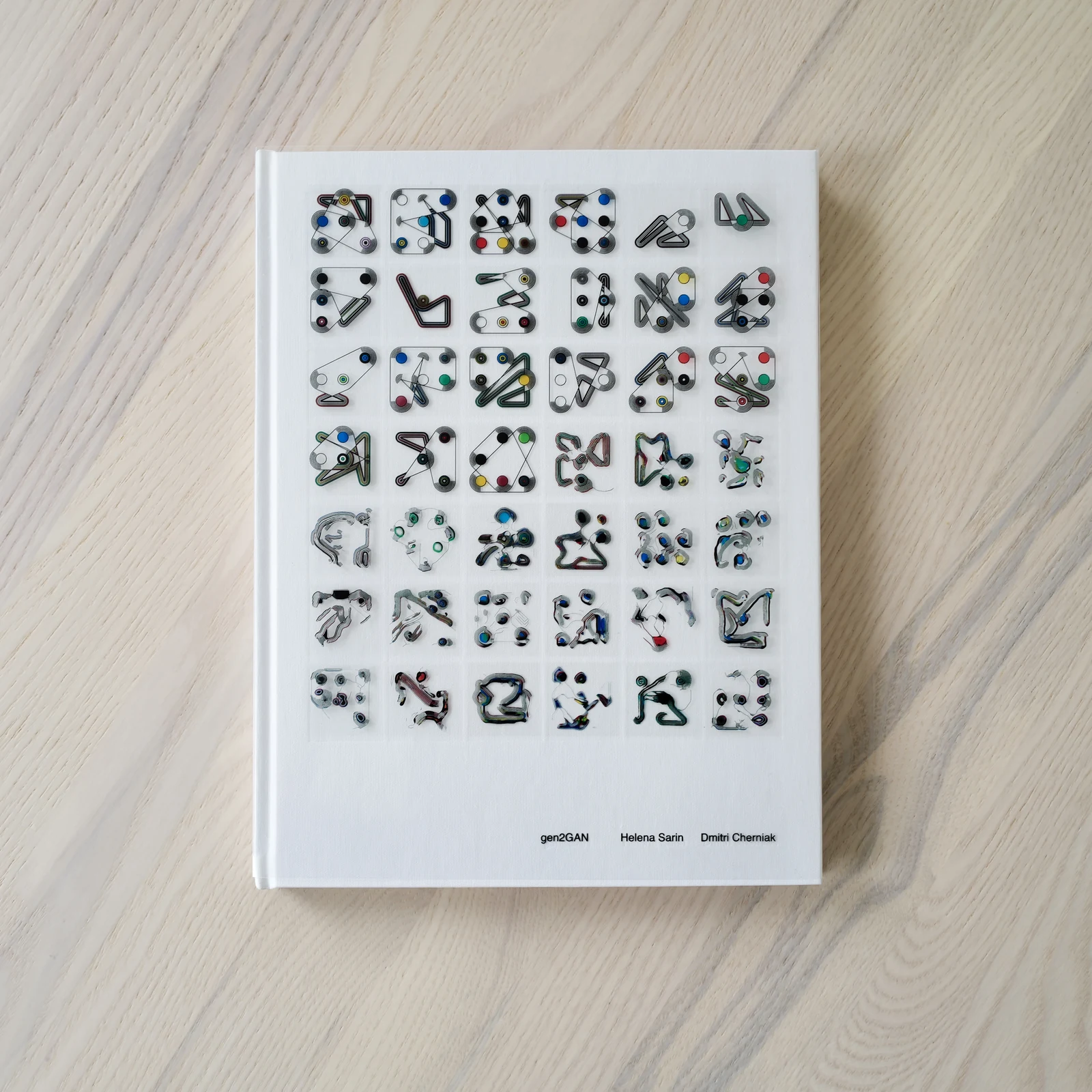
The collaboration also took the form of an artist’s book, published in 2023 in an edition of 200. Its spreads place Cherniak’s generated images alongside Sarin’s GAN outputs, making the exchange between the two systems visible on paper.
Published by DLC Arts LLC, with a foreword by Casey Reas and an introduction by A.V. Marraccini.
Book credits
- Artists
- Helena Sarin and Dmitri Cherniak
- Curated by
- Sofia Garcia
- Foreword
- Casey Reas
- Introduction
- A.V. Marraccini
- Publishing director
- Eli Rosenbloom
- Art director
- Emwhi Nguyen
- Designer
- Yen Ho
- Copy editor
- Eden Rosenbloom
- Production
- Functional Brands LLC
- Editorial assistant
- Huy Vu
- Layout assistant
- Kristi Huynh
- Printing
- Conveyor Studio
- Coverslip
- Shapco Printing Inc