The exhibition
Portraits in code
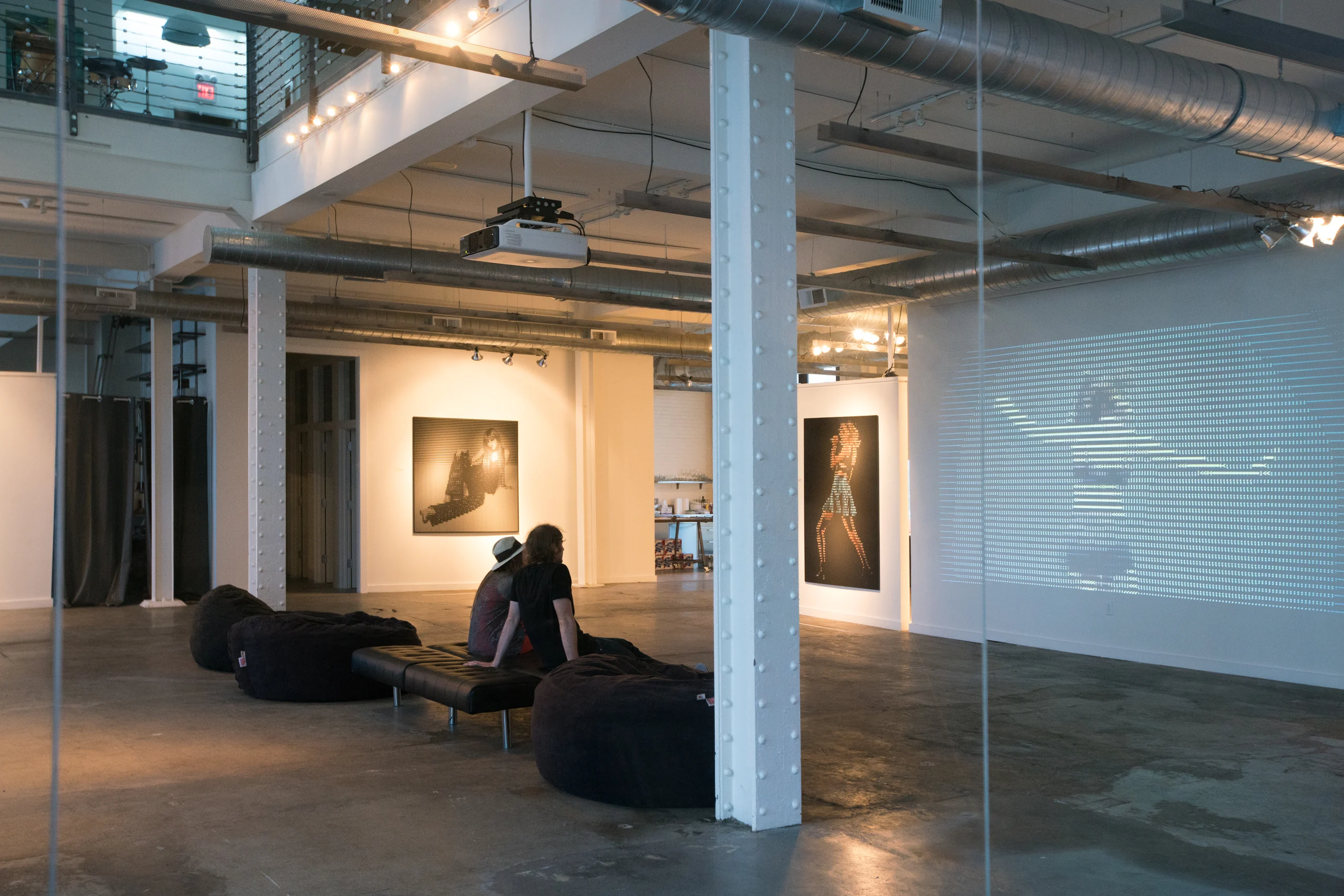
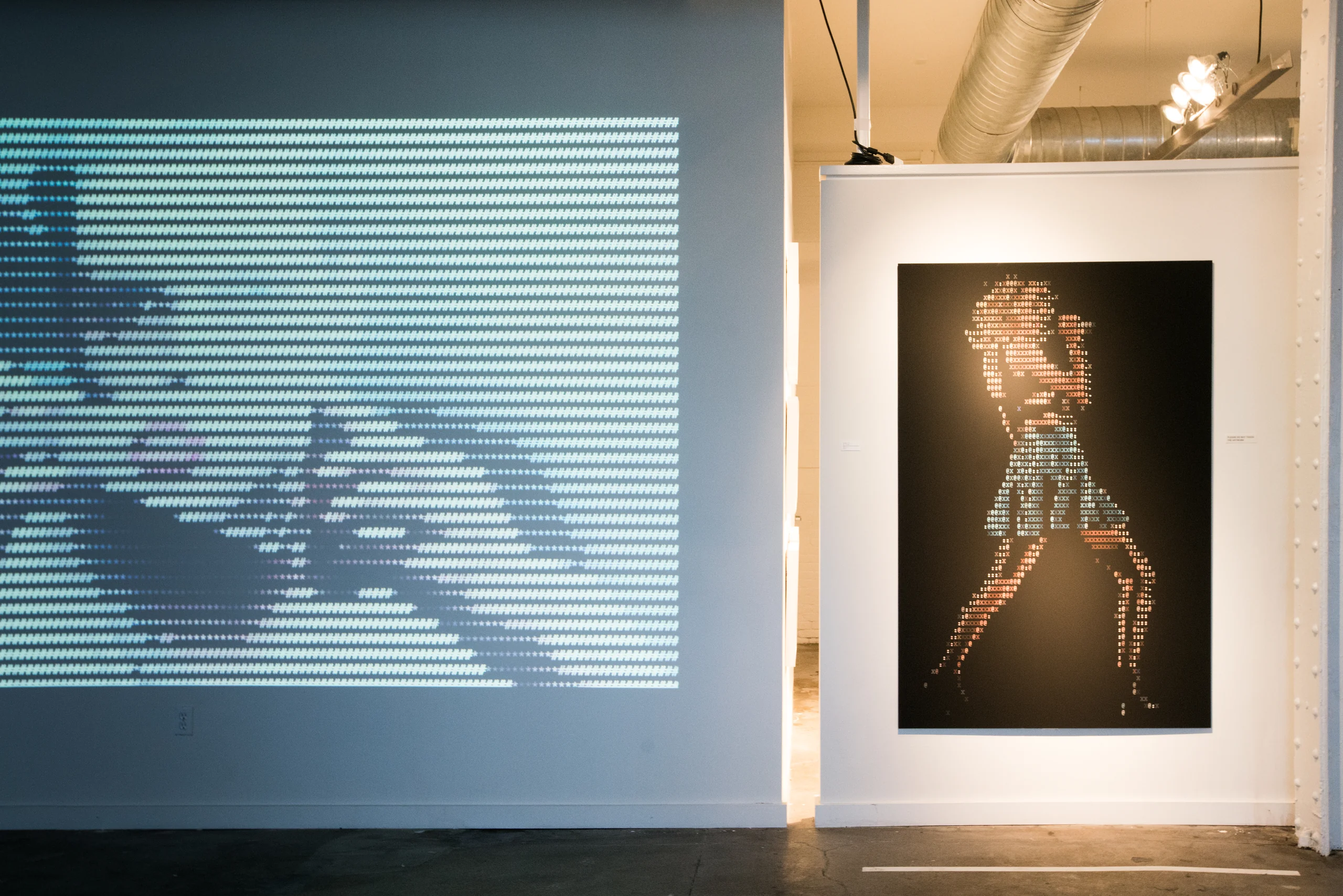
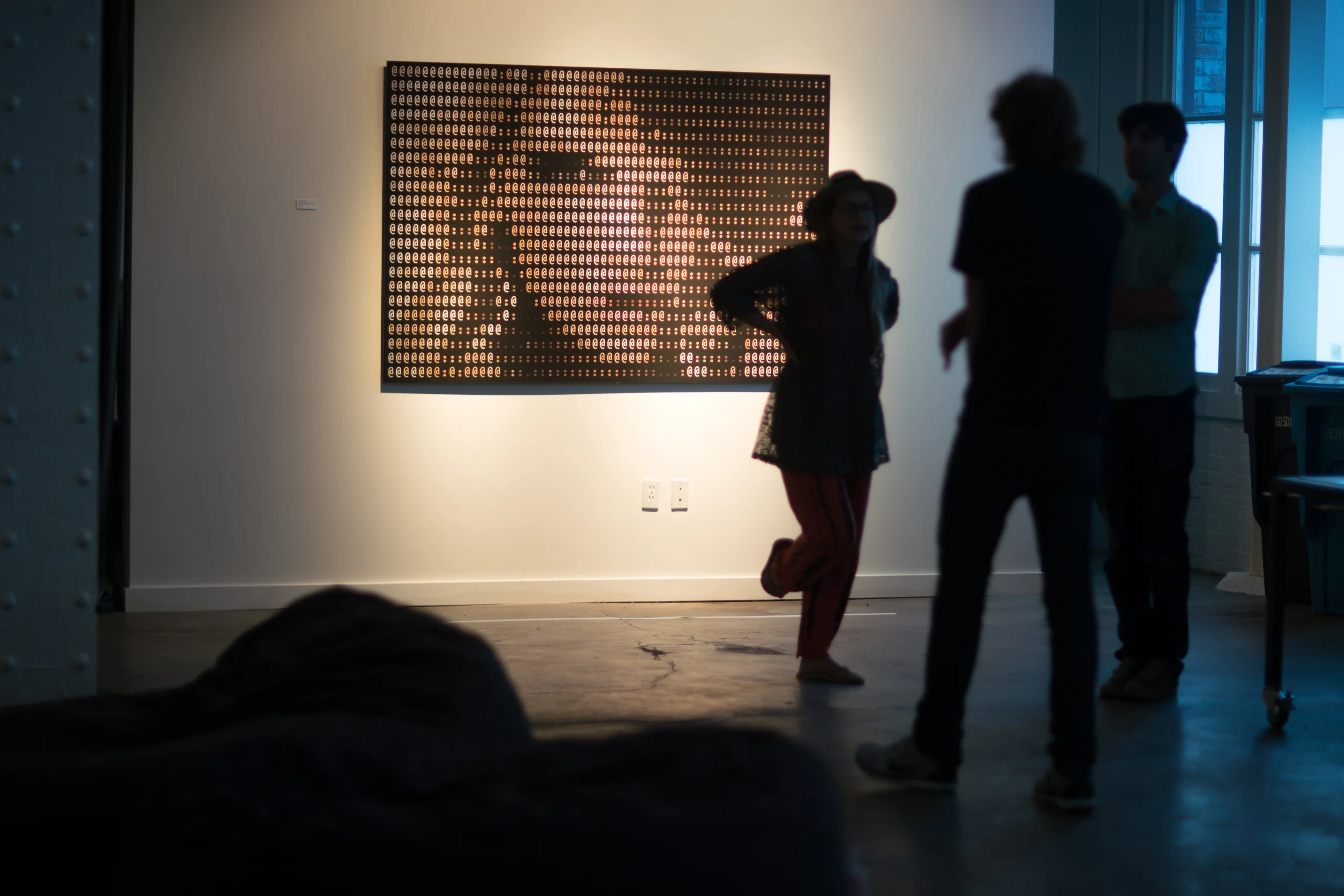
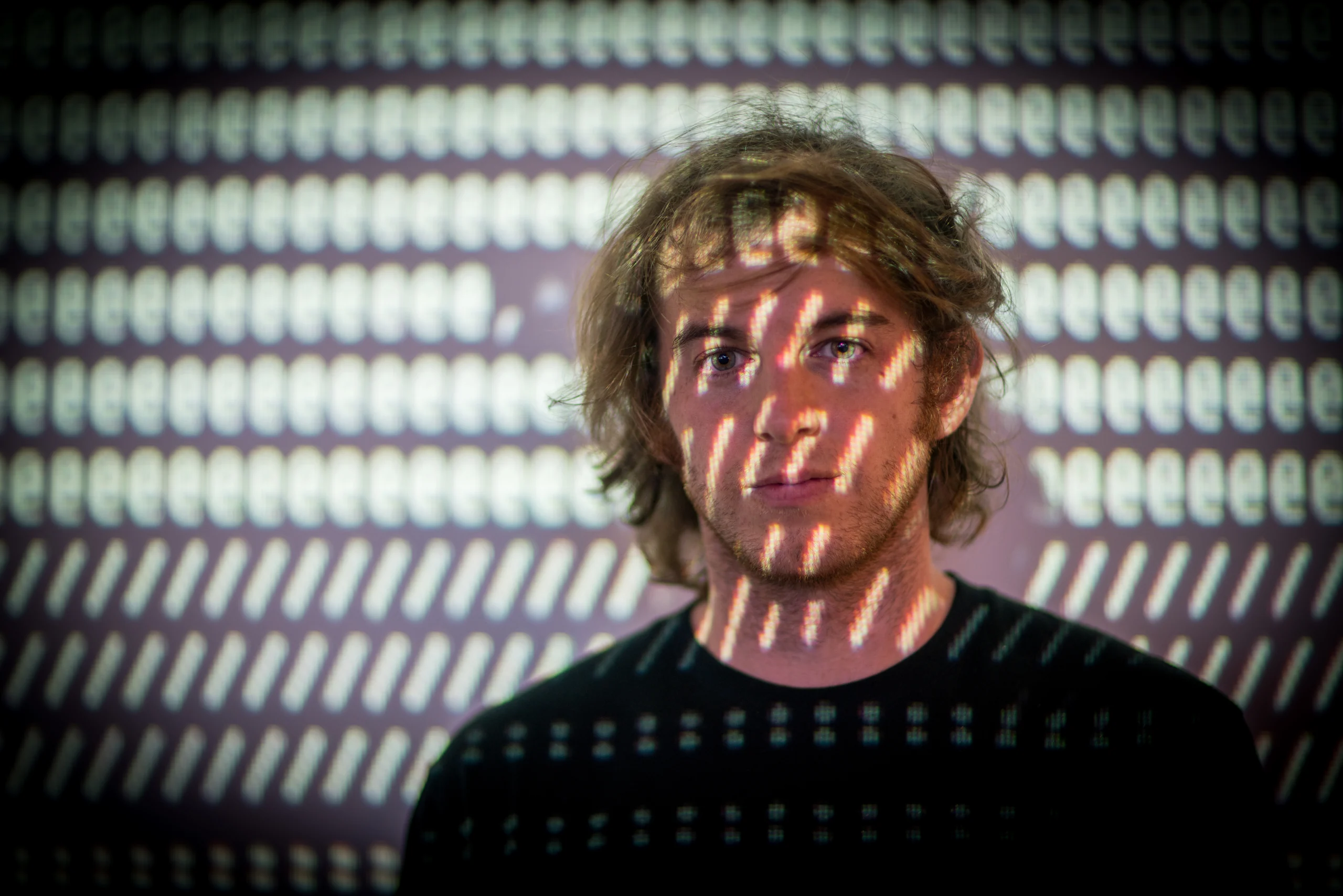
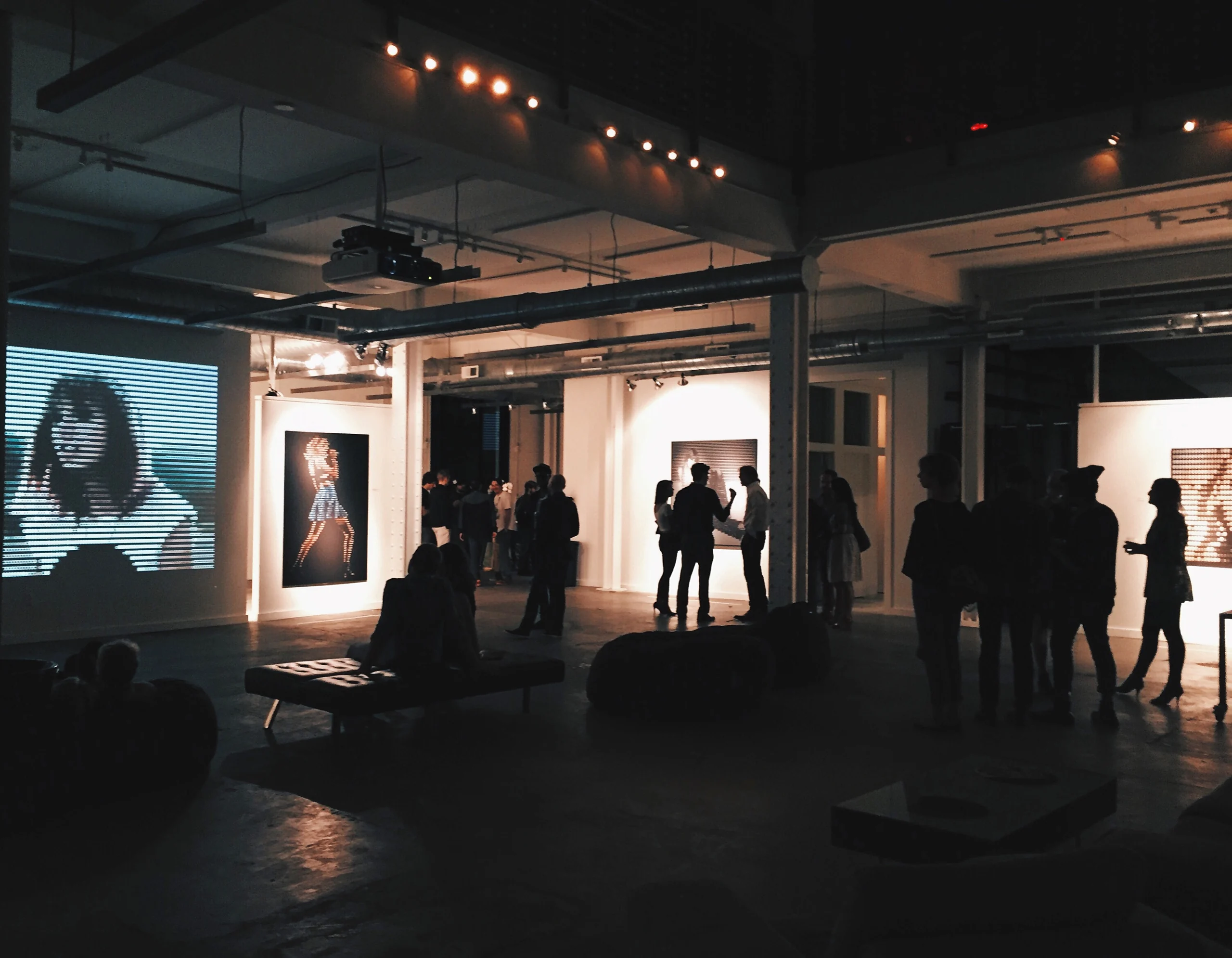
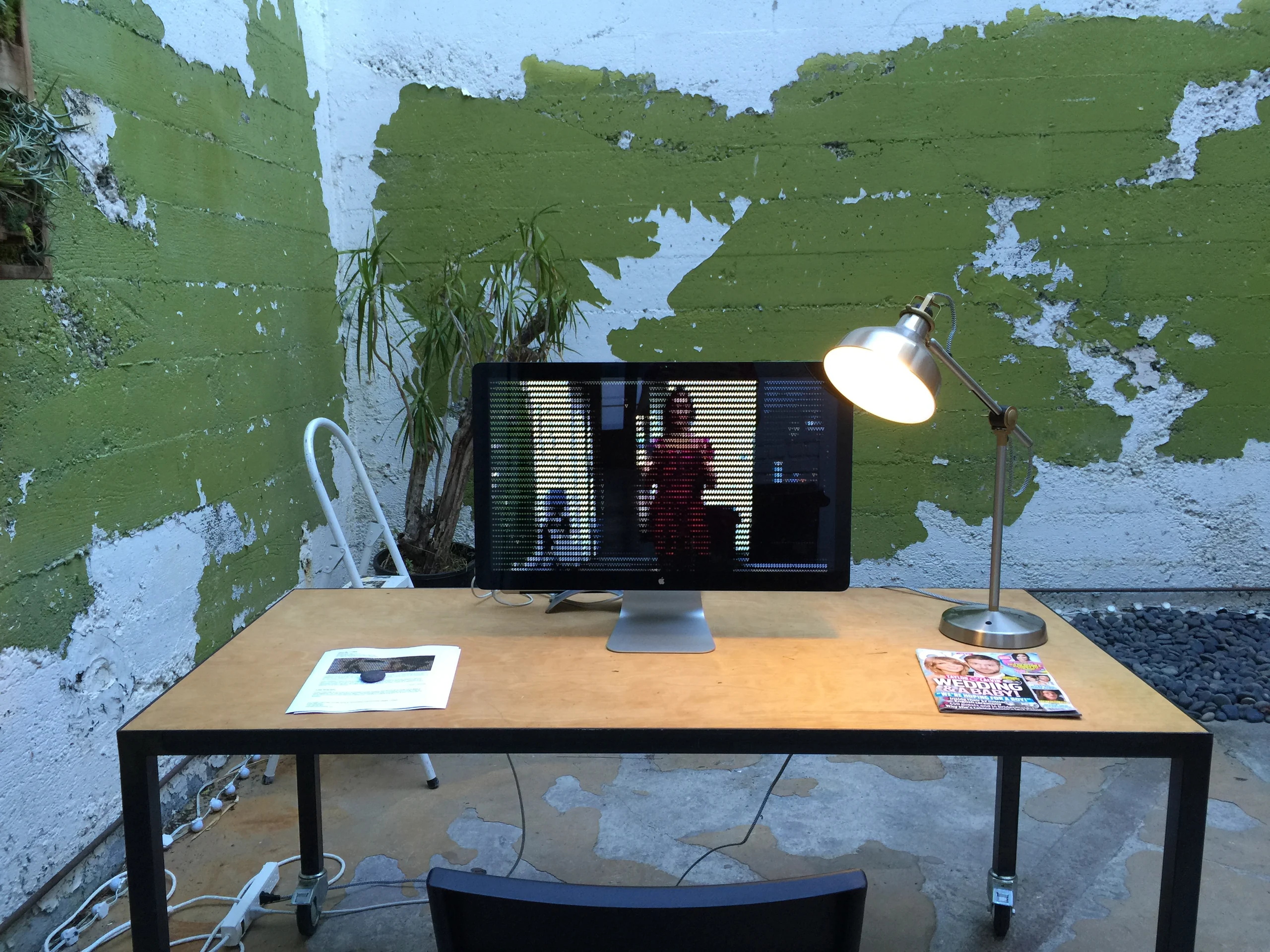
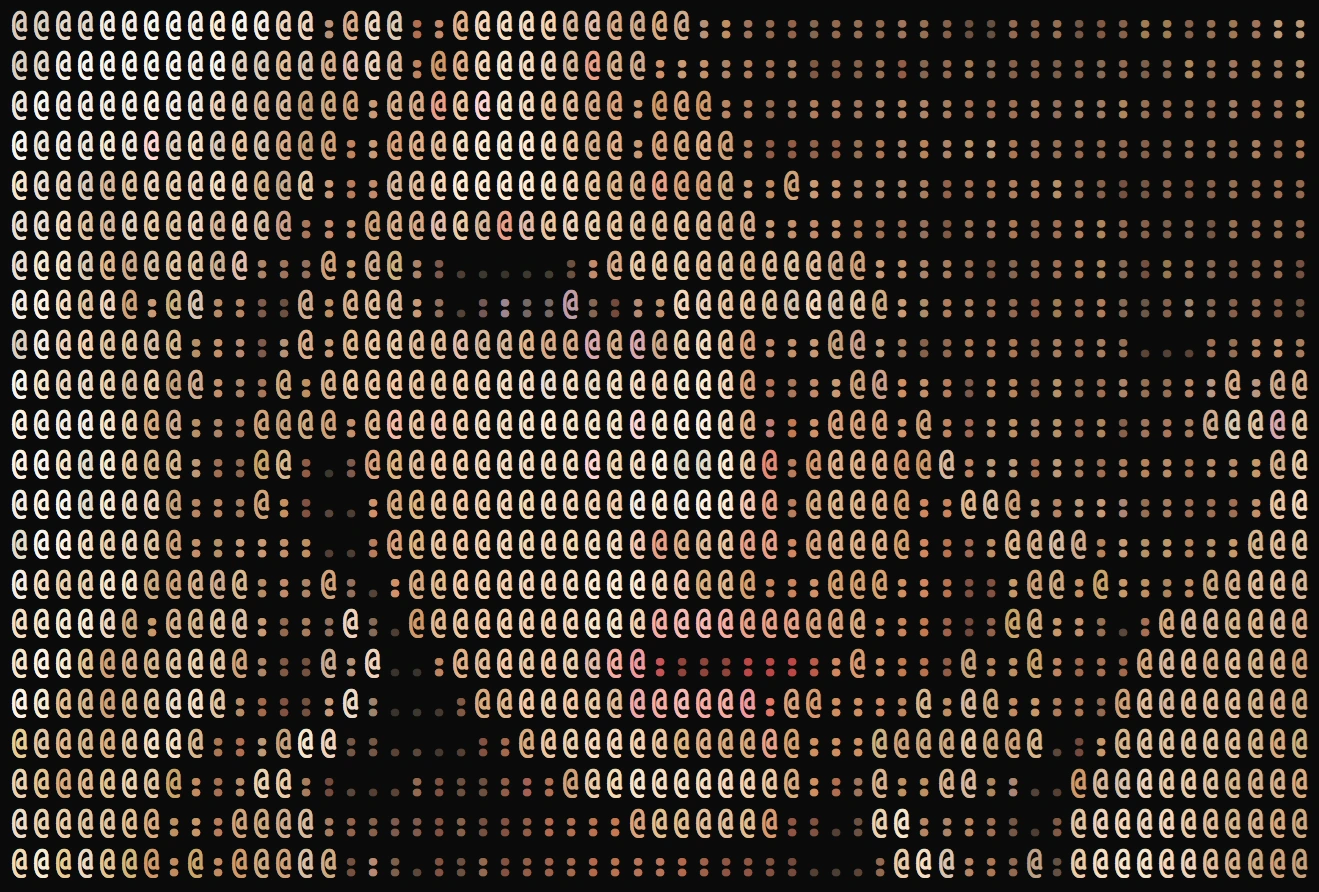
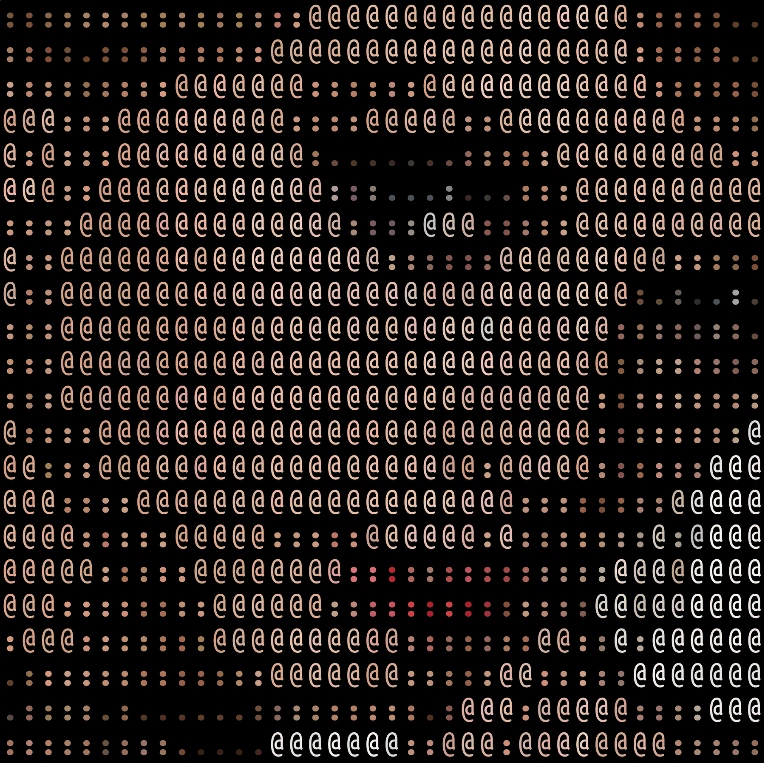
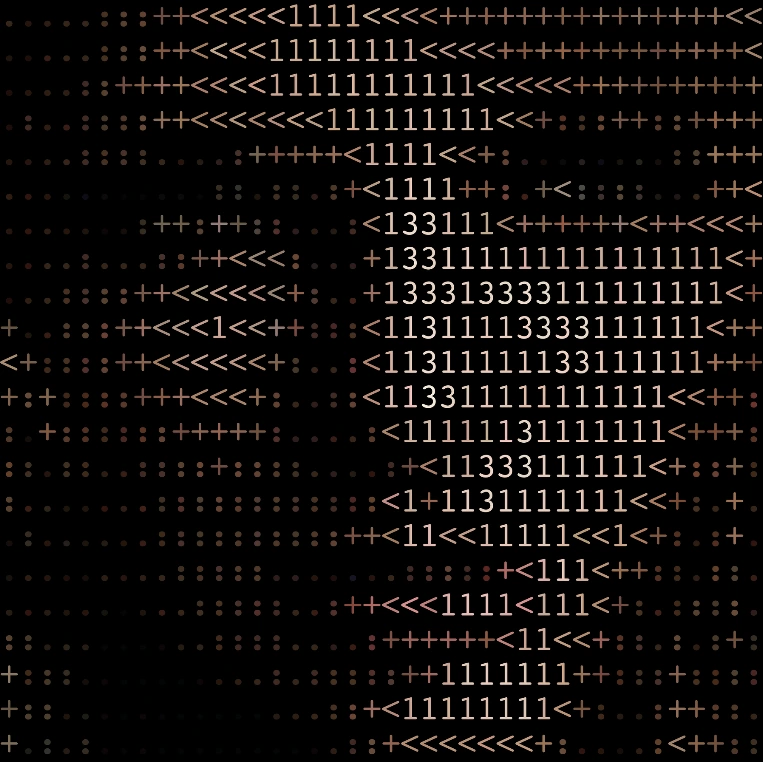
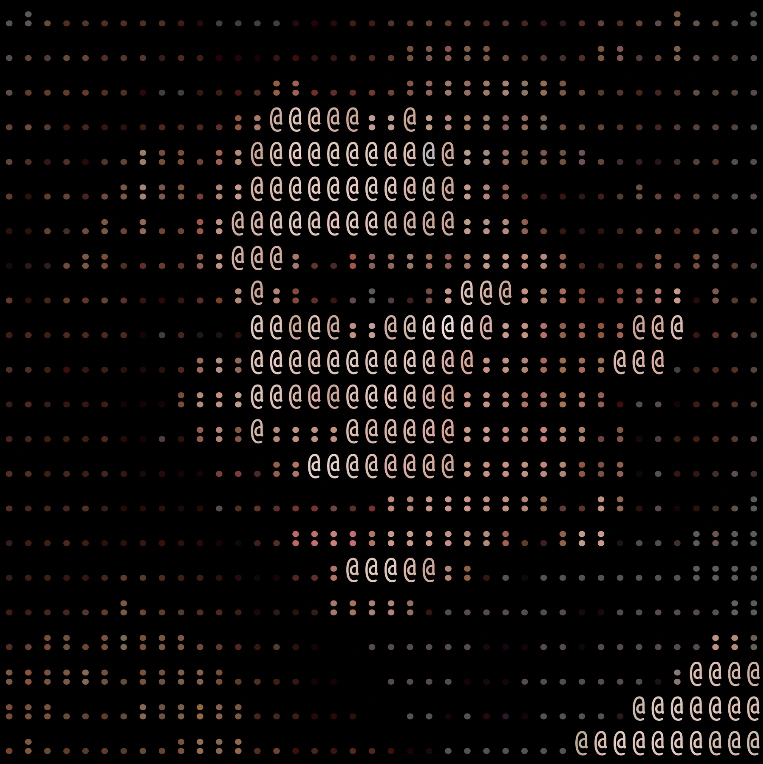
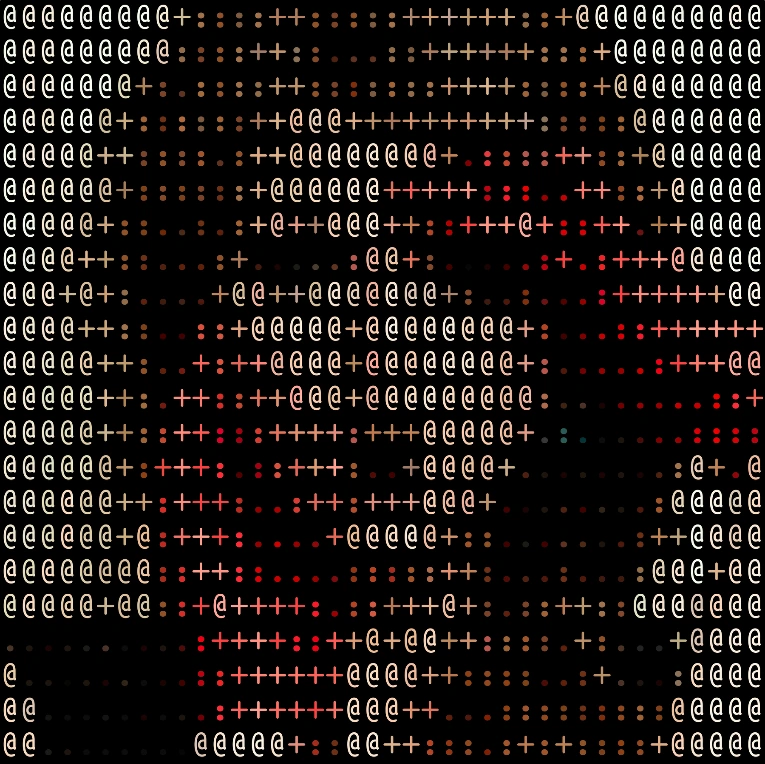
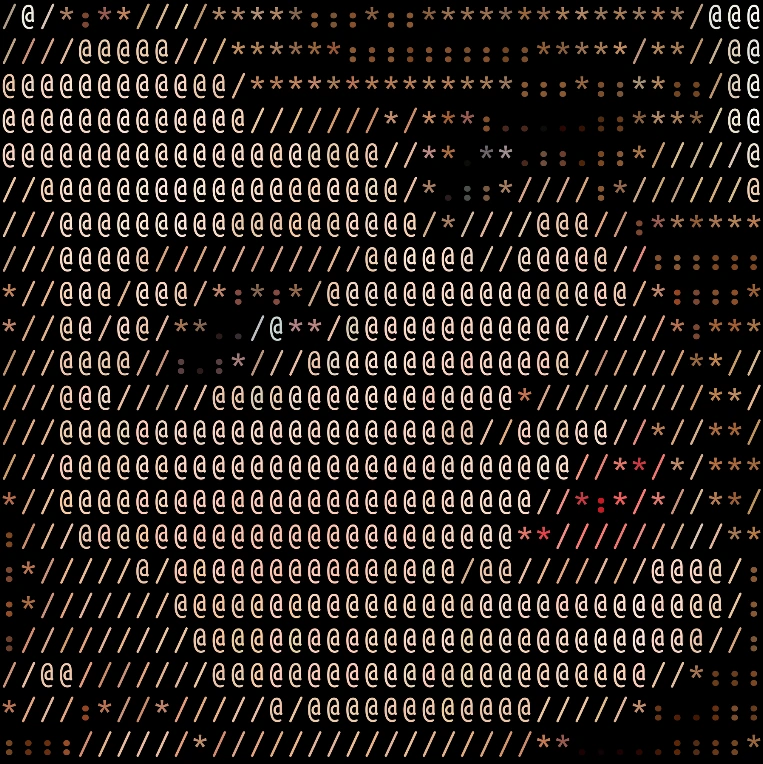
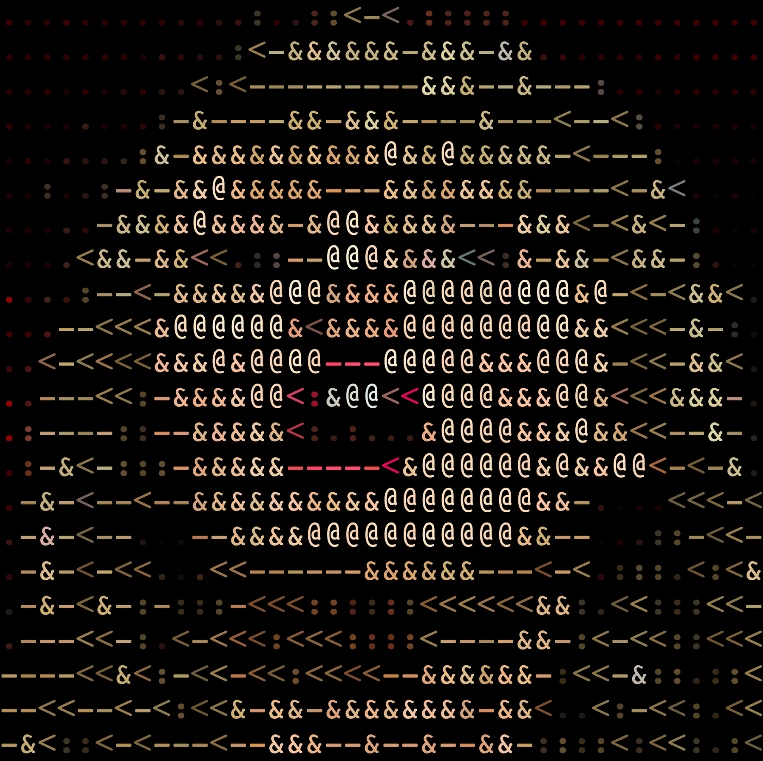
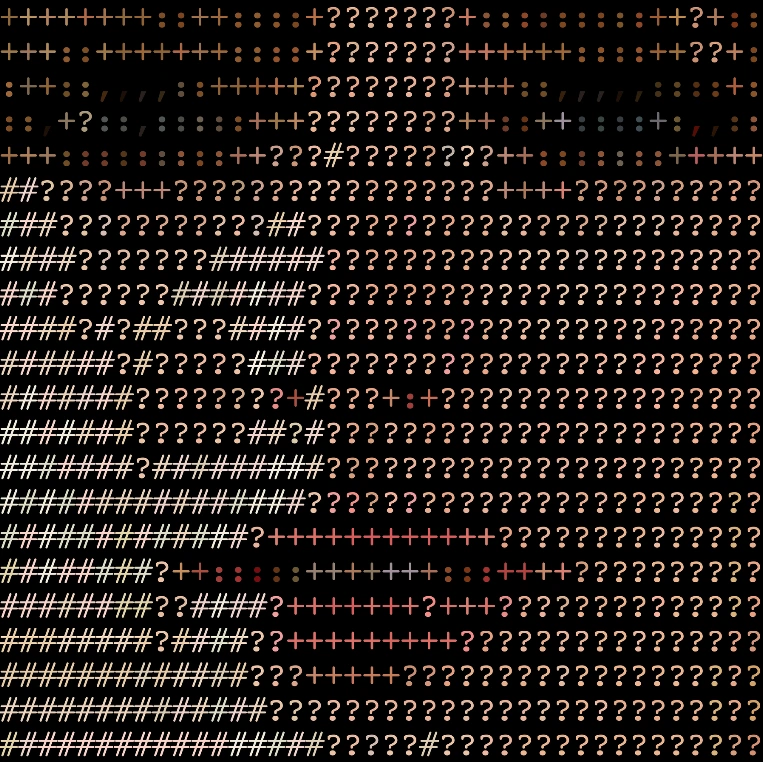
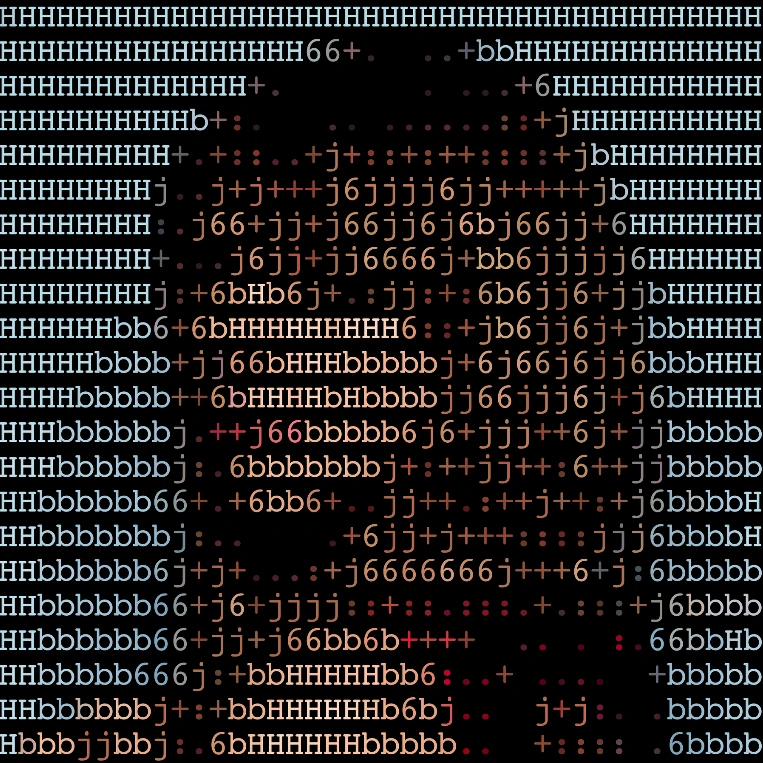
At Heron Arts, C0un7Ry s1n9ER brought portraits of Taylor Swift into the gallery through large wall works, framed images, and projection. From a distance, the images resolve into a recognisable face; up close, they separate into individual characters.
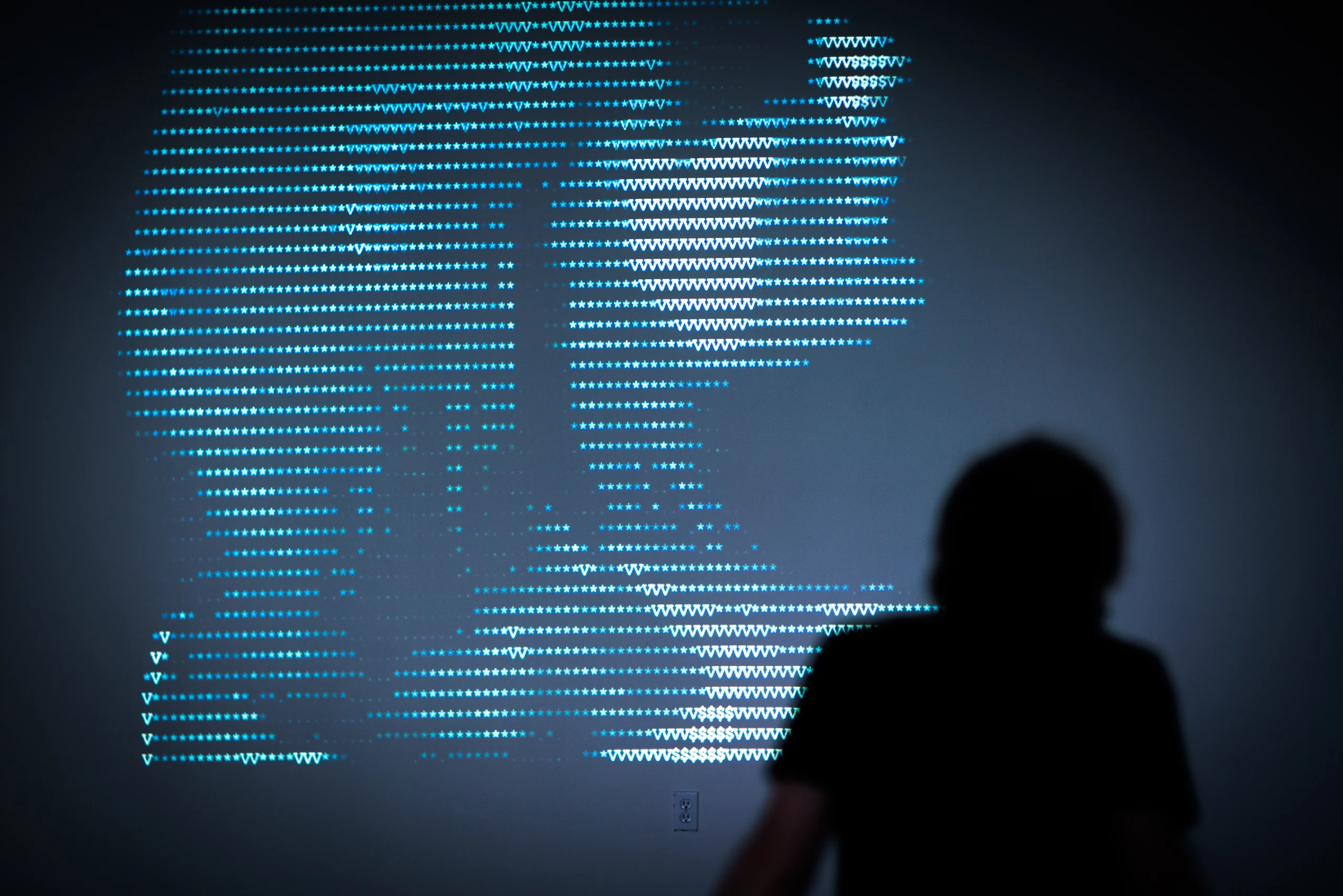
The series considers how a pop icon circulates online, and what it means to give those digital images a physical form. Outside the gallery, a live ASCII mirror was presented with tabloids.
The artworks · 2015
C0un7Ry s1n9ER
Sixteen prints bring the series into different scales, from large portraits to intimate studies of a face.
Large prints
Inkjet prints on enhanced matte paper, each in an edition of 5.
Zoom viewer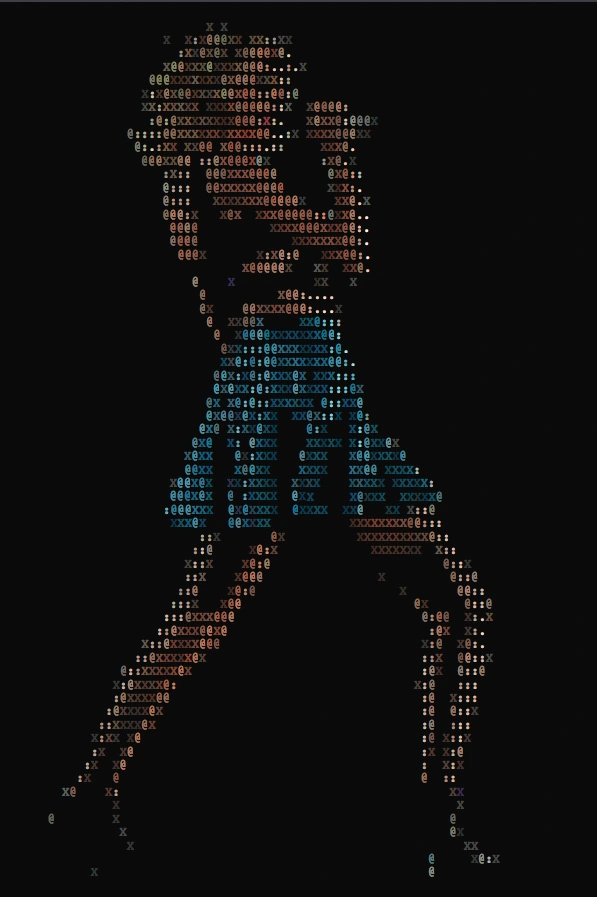
Portrait Quartet
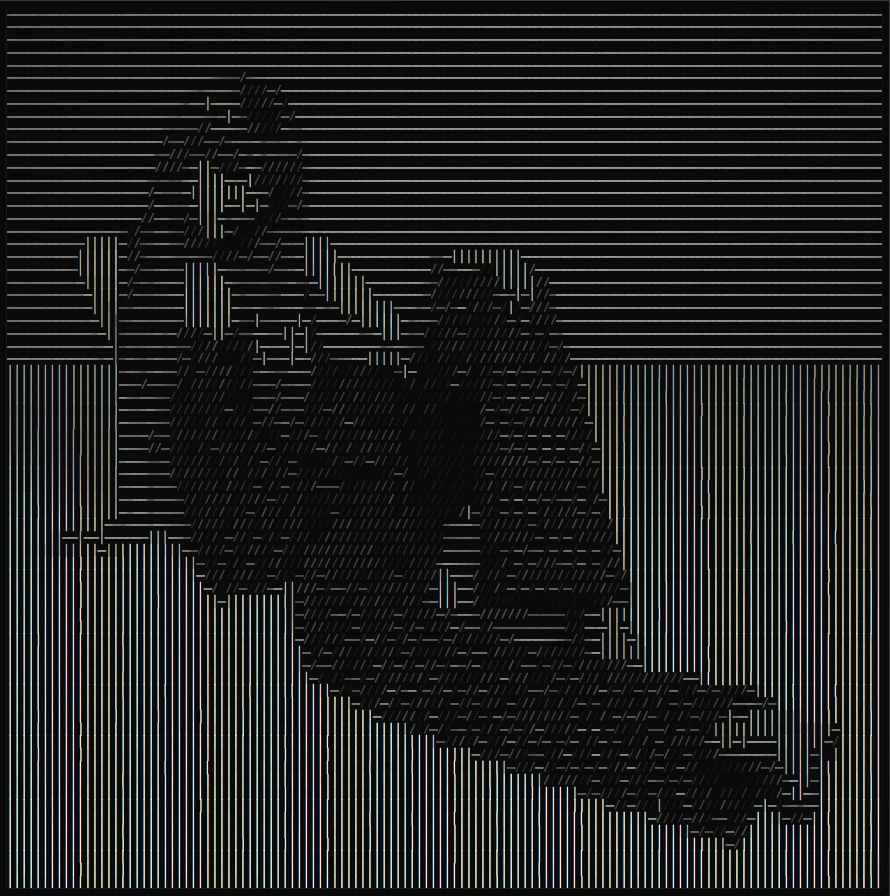
Four portraits exploring celebrity, money, sexuality, uncertainty, and beauty.
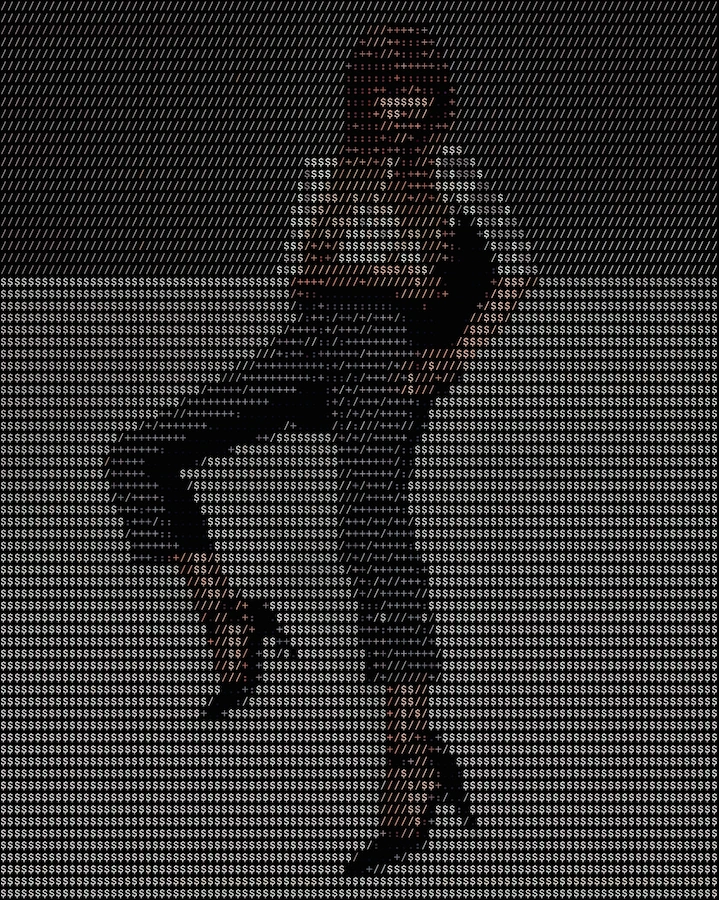
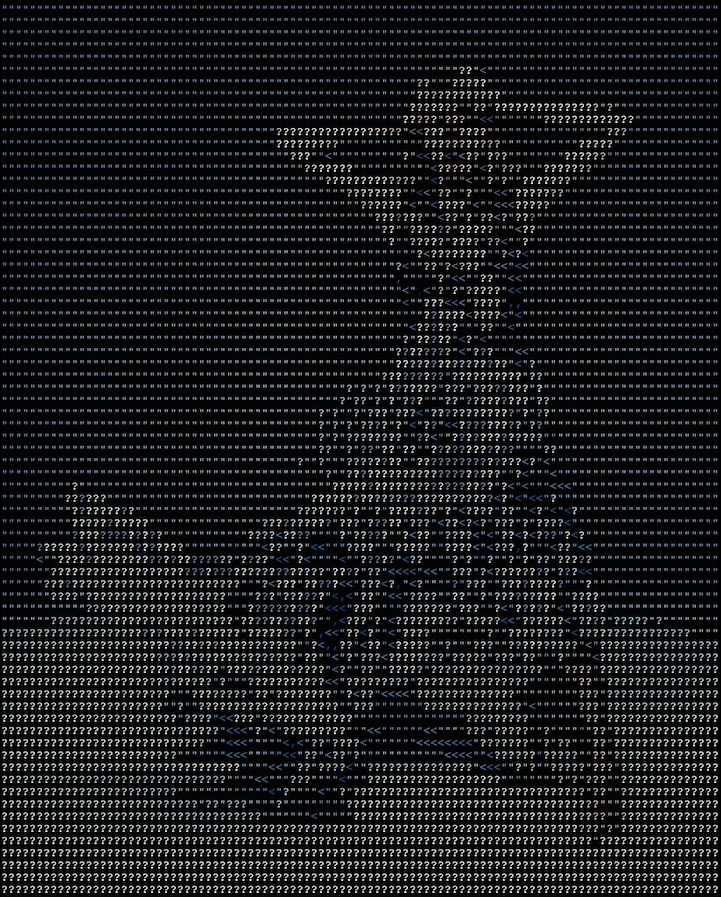
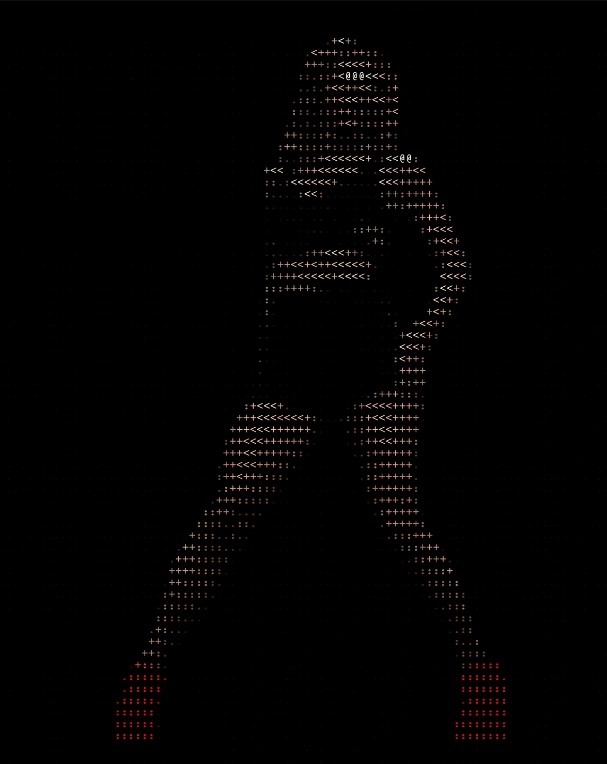
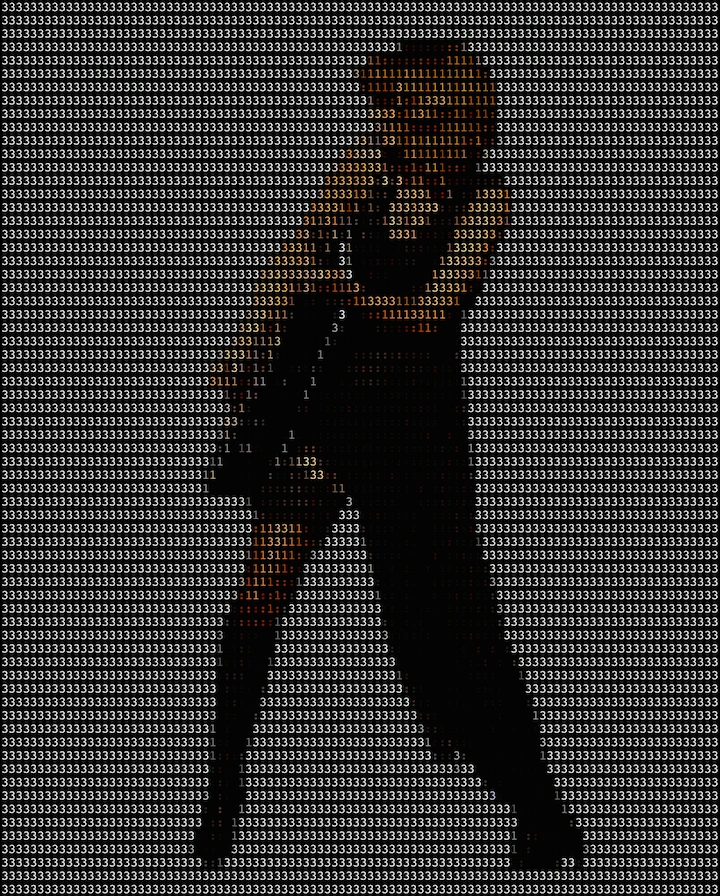
Portrait Gallery
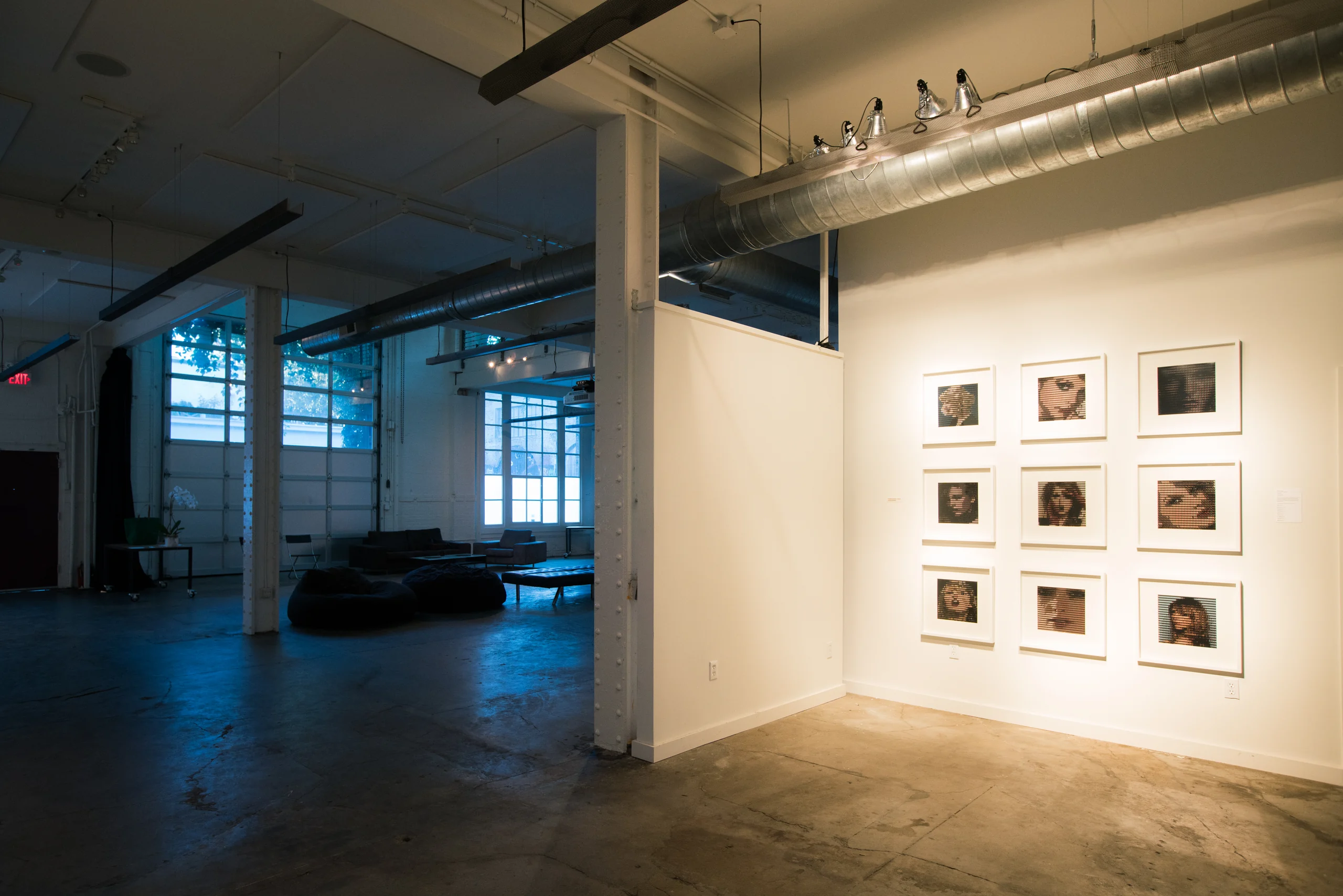
Nine portraits, each composed of 880 characters. Seen up close, the characters form abstract patterns; from a distance, a face emerges.
Zoom viewer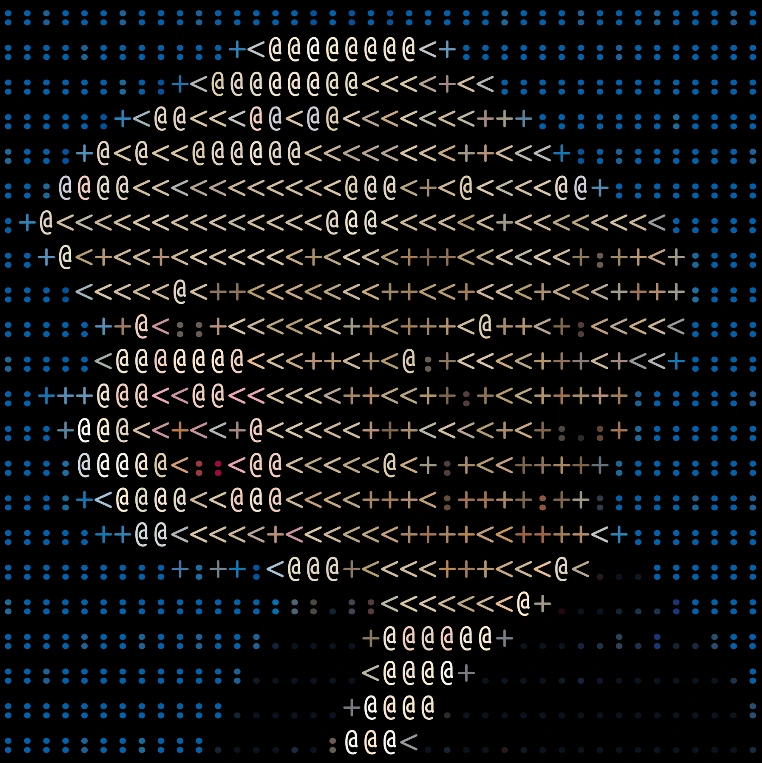
The film
Style
Dmitri Cherniak’s adaptation of Taylor Swift’s Style translates the moving image into ASCII characters. Letters, numbers, and symbols become the building blocks of a familiar pop image.
The Style video was one part of a 30-minute medley presented alongside the portraits in C0un7Ry s1n9ER.
The video could not start. Try again or open the video.
Music: “Style” by Taylor Swift (Chopped and Screwed by Dmitri Cherniak).
About the work
Archiving digital culture
Taylor Swift ASCII Art began in 2009 as part of a university course project. Cherniak built an AI to play a variant of Go and named it Taylor Swift; a friend named their AI Miley Cyrus. After a win, an ASCII portrait of Swift blowing a kiss appeared in the game’s text logs. A grayscale version became the cover of his term paper.
In 2015, Cherniak rediscovered the paper and shared its cover on Facebook. Requests for prints encouraged him to return to the project, refining his tools and expanding into portraits and video. Working with curator Patti Maciesz, those experiments became C0un7Ry s1n9ER at Heron Arts.
The portraits could be generated almost instantly, yet viewers described an emotional connection to them. Without saving a work’s random seed, its particular result could be lost. The exhibition also introduced Cherniak to the crypto community when a crypto exchange founder acquired a work.
That tension between digital creation and permanence shaped the exhibition. In his 2015 artist statement, Cherniak described the series as an attempt to physically archive digital culture: images whose continued existence depends on changing software, servers, and hardware.